

Dexterous Robot Hands by Use Case: Research, Teleoperation, Humanoids and Tactile Sensing
Which dexterous hand fits low-cost learning research, high-DOF teleoperation, a humanoid, or tactile data collection: what matters for each job, the hands we sell for it with live US prices, and where to go next.
Most dexterous-hand buying mistakes come from choosing a hand before choosing the job. A reinforcement-learning lab, a teleoperation data team and a humanoid integrator need different things: actuated degrees of freedom, a communication bus, tactile sensing, weight, and whether you can repair it yourself. This page sorts the hands we sell by the job they fit, with live US prices that update from our store.
Start here if you are still deciding:
- Want specs side by side? Open the dexterous hand comparison.
- Considering an Inspire hand? Read the Inspire RH56DFX, RH56E2 and RH56F1 guide.
- Considering the open-source LEAP Hand? Read the LEAP Hand v1 and v2 guide.
- Comparing the whole market? See the dexterous robot hand comparison 2026.
- Choosing tactile sensors? See the tactile sensor comparison.
- Maybe a gripper is enough? Read the robot end-effector guide.
Low-cost learning research
What matters: many actuated joints for the money, a hand you can repair in the lab when a finger breaks, and simulation models and code you can reuse. Sim-to-real and reinforcement-learning work also needs a hand that tolerates hours of contact.
| Hand | Price | Why researchers pick it |
|---|---|---|
| LEAP Hand v1 Assembly Kit | $2,066.00 | 16 actuated DOF on Dynamixel servos, open hardware from CMU, Isaac Gym and Isaac Lab environments (LEAP Hand) |
| LEAP Hand v2 | $4,550.00 | Hybrid rigid-soft fingers, 8 motors driving 16 DOF, assembles in under two hours (LEAP Hand v2) |
| Linker Hand L10 | $3,999.00 | Five fingers, 10 active DOF across 20 joints, CAN or RS-485 |
High-DOF teleoperation and dexterity data
What matters: enough actuated joints to follow a human hand, a fast control loop, and a matching glove or retargeting pipeline. Our glove-based teleoperation guide covers the capture side.
| Hand | Price | Why teams pick it |
|---|---|---|
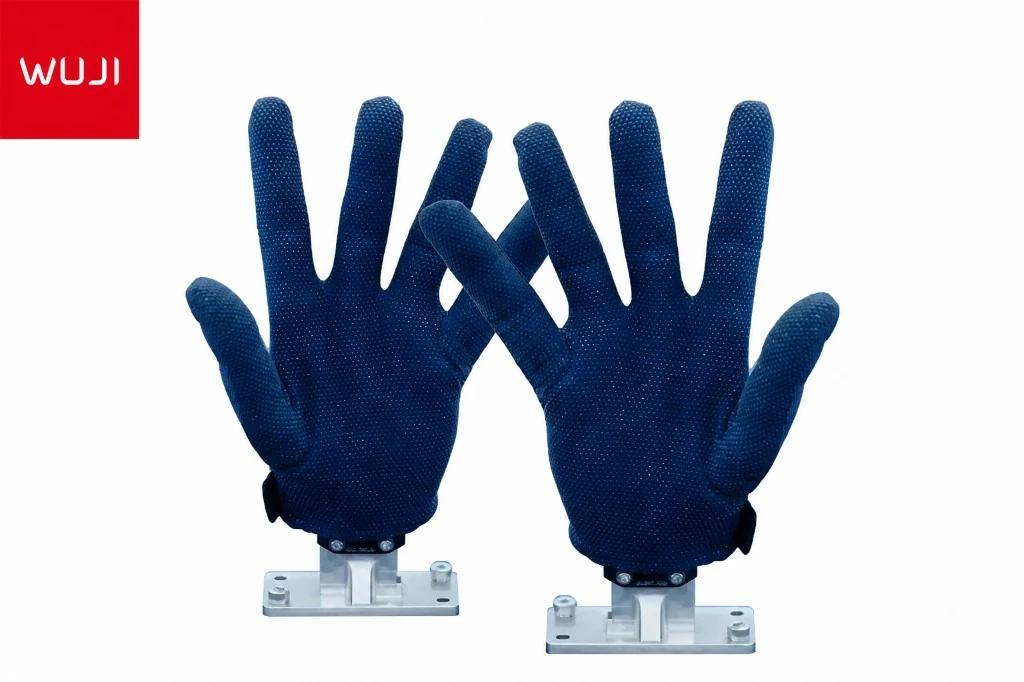
| Wuji Hand 2 | From $14,600.00 | 20 active DOF, direct-drive back-drivable joints, 1000 Hz control over Ethernet, and teleoperation with the Wuji Glove ($4,500.00) |
| Allegro Hand V5 | $13,000.00 | 16 DOF over four fingers, 16 brushless DC servo motors, CAN or USB with ROS support. See the Allegro Hand page |
| LEAP Hand v1 Bimanual Pair | $4,133.00 | Two 16-DOF hands for bimanual work, with Manus glove and Vision Pro teleoperation code from the LEAP team |
Hands for humanoids and robot arms
What matters: weight at the wrist, a bus your robot already speaks, a five-finger human form for human-designed objects, and a supplier who will confirm mounting and left/right versions before you order.
| Hand | Price | Why integrators pick it |
|---|---|---|
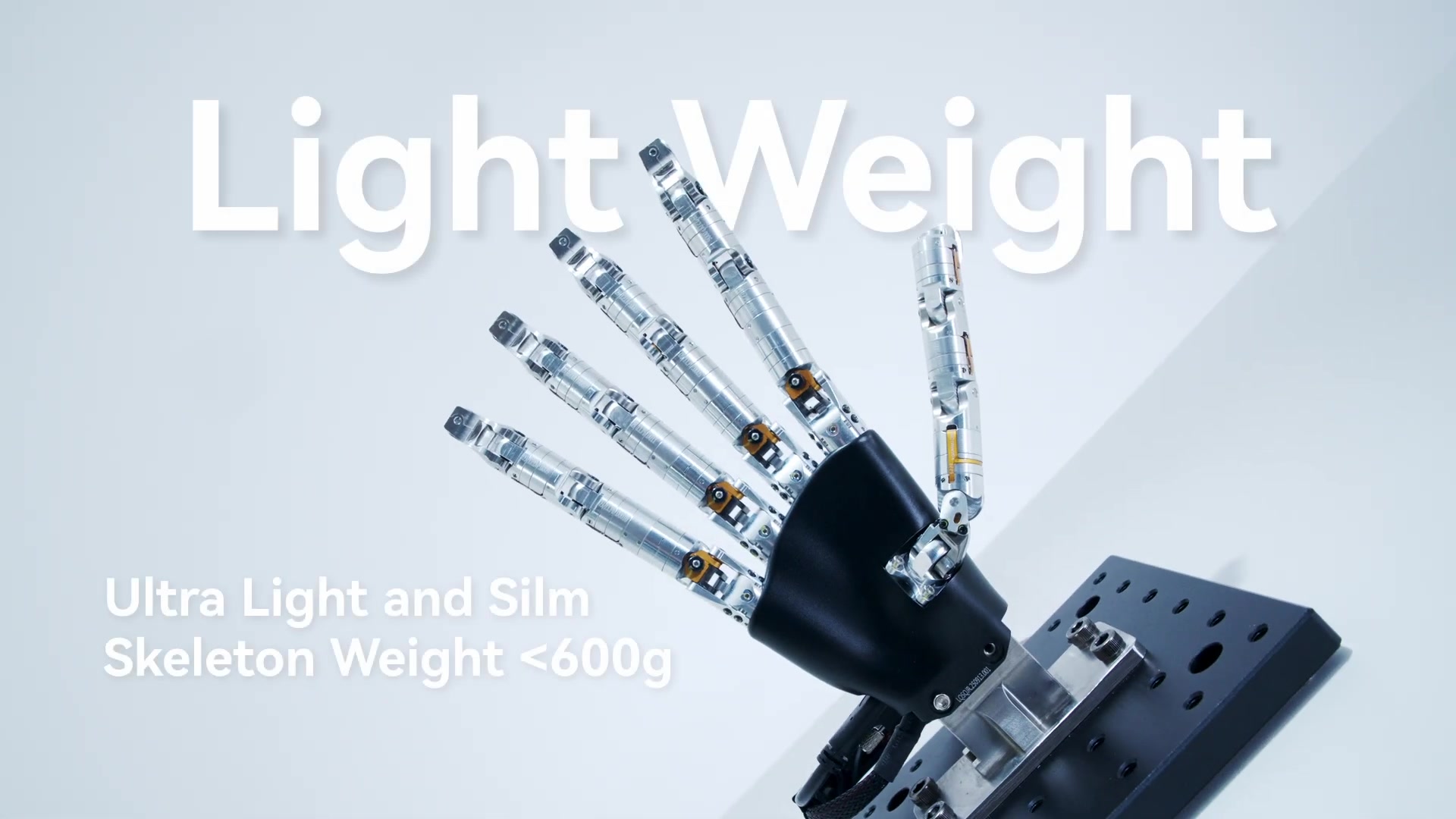
| Inspire RH56DFX | $10,500.00 | 540 g, 6 actuated DOF across 12 joints, RS-485, self-locking fingers (Inspire) |
| Inspire RH56F1 | Request a Quote | All-metal skeleton, EtherCAT, 1 kHz real-time communication (Inspire) |
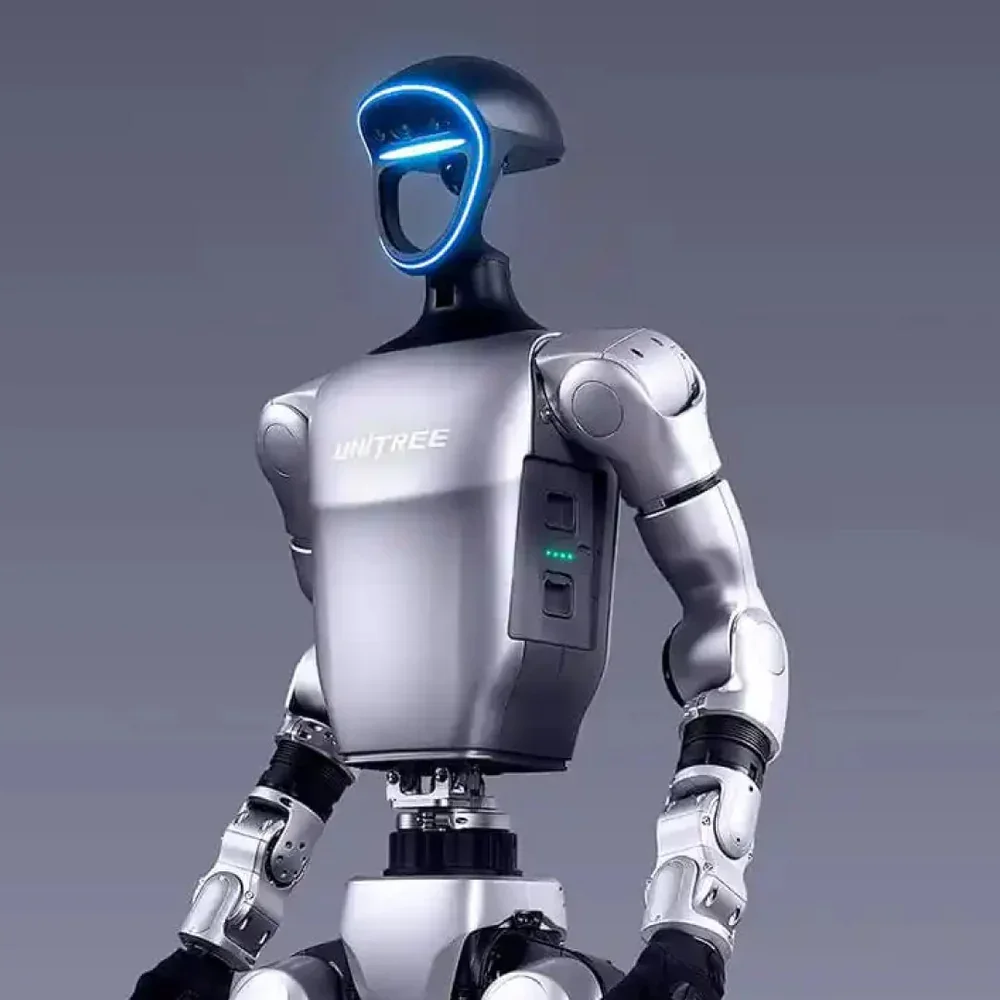
| BrainCo Revo 2 | From $5,900.00 | Left or right, tactile or non-tactile, and also sold as a factory-integrated option on several Unitree robots |
| AGIBOT OmniHand 2025 | From $4,999.00 | About 500 g, 10 active DOF, RS-485 and CAN FD cables in the box, built for AGIBOT and third-party humanoids |
Tactile sensing
What matters: where the sensors are (fingertips only or the whole palm), their density and sampling rate, and whether the force range covers your objects. Tactile data is only useful if you can log it in sync with joint state and video.
| Hand | Price | Tactile coverage |
|---|---|---|
| Sharpa Wave | $55,000.00 | More than 1,000 tactile pixels per fingertip at up to 180 Hz, 22 active DOF, human 1:1 scale |
| Inspire RH56E2 (tactile version) | $10,530.00 | 17 tactile sensors across the palm, resistive or capacitive versions (Inspire) |
| PaXini DexH13 | $14,377.00 | Four fingers with more than 1,000 tactile sensing units |
For tactile sensing without a dexterous hand, compare sensor options in the tactile sensor comparison.
When a gripper is the better answer
A dexterous hand adds actuators, calibration and failure points. If two fingers can do the task, a parallel gripper such as the Robotiq 2F-85$5,990.00 is simpler to integrate and to model. The robot end-effector guide covers grippers, vacuum tools and when a hand is worth it.