

Robot Total Cost of Ownership: What a Robot Costs Beyond the Price Tag
How to work out the total cost of owning a robot arm, quadruped or humanoid: the cost lines buyers miss, live US hardware prices, when leasing or renting beats buying, grant and tax rules, and resale at the end.
The price on a robot's product page is the easiest number in a robotics budget, and usually not the biggest one. A robot also needs something to grip with, cameras, a mount, a computer, a safe place to run, people who know how to run it, and spare parts for the day something breaks. Then it has a value, or a disposal cost, when the project ends.
This guide lists every cost line we see buyers miss, shows live US prices for common platforms, and explains when leasing or renting beats buying. Prices on this page come straight from our store and update when the store does.
The cost lines
Total cost of ownership (TCO) over a project is the sum of these lines, minus what the robot is worth at the end:
| Cost line | What it covers | How to get a real number |
|---|---|---|
| Robot | The arm, quadruped or humanoid in the configuration you need | The product page. Check which configuration includes the SDK or development access you need |
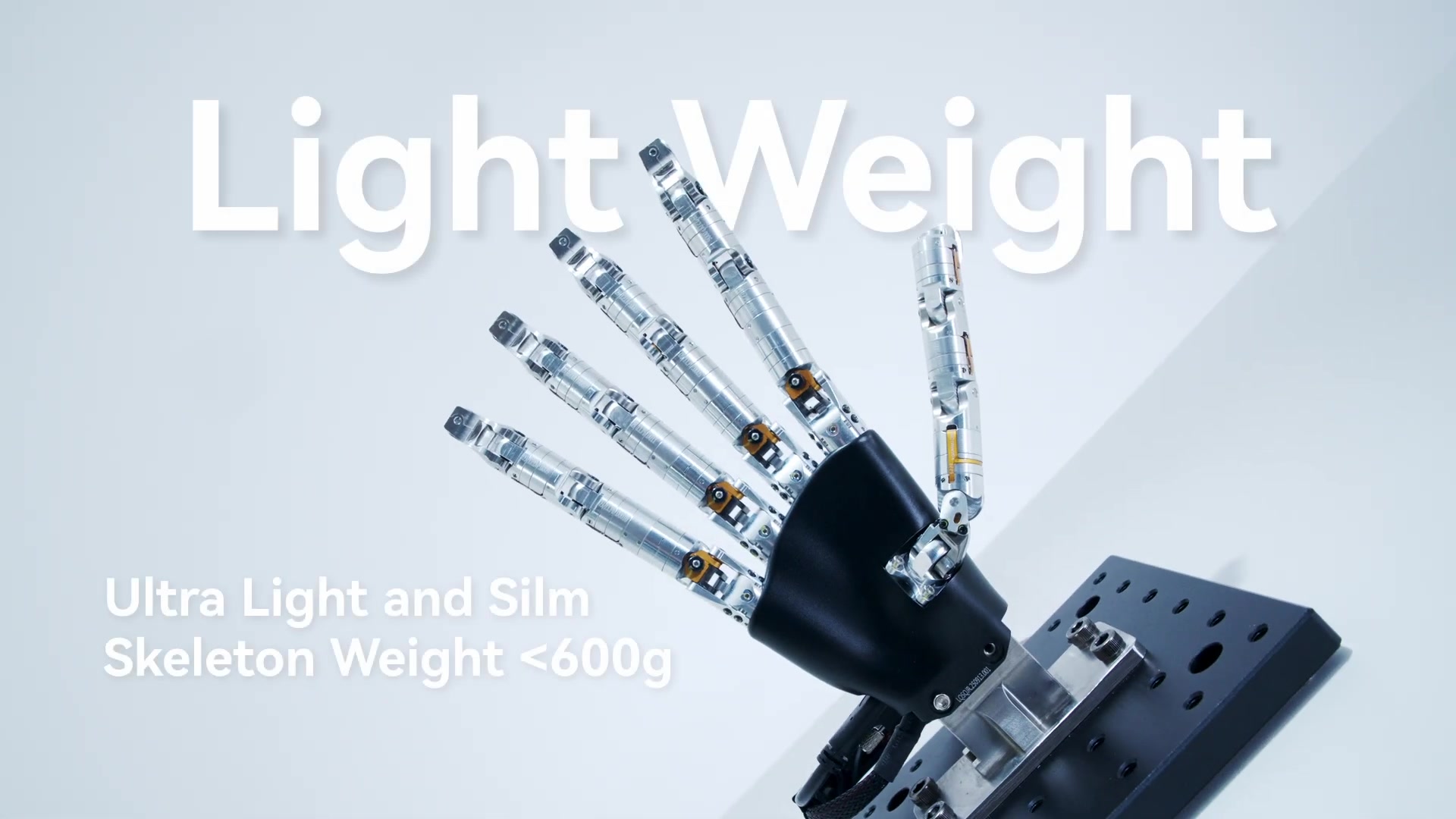
| End effector | Gripper, dexterous hand or tool | Price the exact model the robot supports; adapters are often separate |
| Sensing | Wrist and scene cameras, depth sensors, force-torque sensor | List every camera in your data or control pipeline, plus mounts and cables |
| Compute | Workstation or onboard computer for control, perception and training | Size it for the models you will run, not the demo |
| Mounting and workspace | Table, base, fixtures, guarding, floor space | Ask facilities for the floor-space rate if you are charged for space |
| Safety | Risk assessment, guarding, emergency stops, any certification work | Follow a risk assessment before you price guarding |
| Integration | Engineering time to connect the robot to your software, cell or data pipeline | Estimate in engineer-weeks, then multiply by your loaded hourly cost |
| Training | Time for operators and engineers to become productive | Count people and days, including the vendor's training if it is extra |
| Maintenance and spares | Consumables, wear parts, batteries, repairs, service contracts | Ask the vendor for the spare-parts list and battery life, and plan a maintenance schedule |
| Software | Licenses, cloud services, simulation, fleet tools | Separate one-time licenses from subscriptions |
| Downtime | Lost work while the robot is broken or waiting for parts | Weeks of lead time on a part multiplied by the cost of the people blocked |
| Data | Teleoperation hardware and operator hours if you train learned policies | See the teleoperation rig cost breakdown |
| End of life | Resale value, or disposal and shipping cost | Decide up front whether you will resell; see resale below |
The formula is simple once the lines are filled in:
TCO = robot + end effector + sensing + compute + mounting + safety
    + integration + training
    + (maintenance + software + downtime) × years
    + data collection
    − resale value at the end
Two lines decide most budgets. Integration is engineering time, and on a research platform it usually costs more than the robot. Downtime is invisible until a part takes weeks to arrive while a team waits. Keeping a spare battery and the parts that wear fastest on the shelf is the cheapest way to cut it.
Live hardware prices
The robot is the one line you can price exactly today. These are current US prices from our store:
| Platform | Type | Price |
|---|---|---|
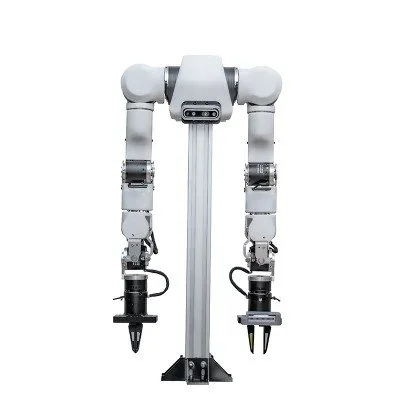
| AgileX PiPER | 6-axis research arm | $3,500.00 |
| OpenArm V1 Follower | Open-source research arm | $5,400.00 |
| UFACTORY xArm 6 | 6-axis arm | $9,500.00 |
| Dobot CR5 | Collaborative arm | $25,520.00 |
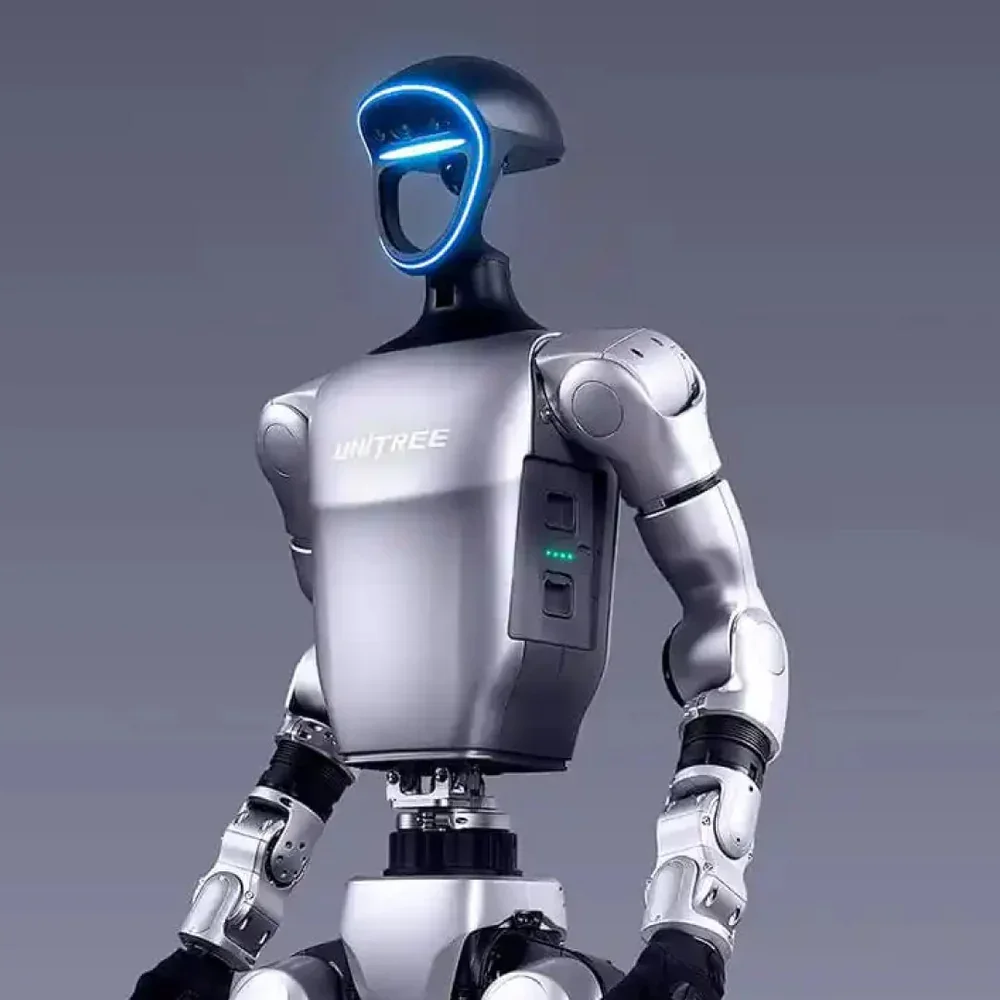
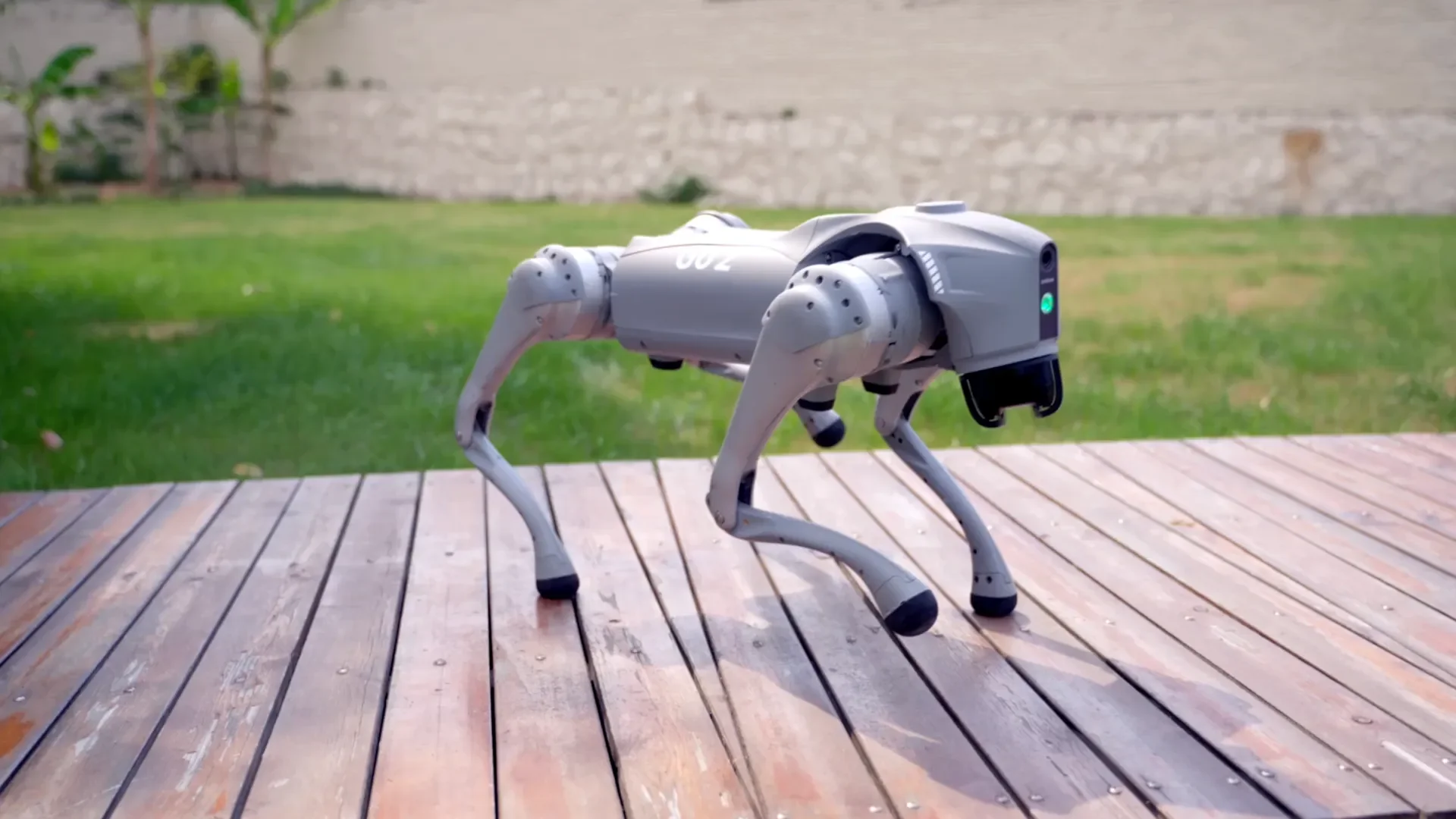
| Unitree Go2 | Quadruped | $3,790.00 |
| Unitree G1 | Humanoid | $21,600.00 |
Each listing can carry several configurations at different prices; the product page shows them all. For the full market by category, see the robot arm price guide, the humanoid price guide and the robot dog price guide.
Buy, lease or rent
Buying is cheapest when you will use the robot for its whole working life and you know it is the right platform. Leasing or renting is cheaper when either of those is uncertain.
Buy when:
- the project runs longer than a lease would take to add up to the purchase price
- utilization is predictable, with named people and tasks filling the robot's week
- you plan to modify the hardware (custom mounts, sensors, wiring)
- the category changes slowly, so the robot keeps its resale value
Lease when:
- the project has a fixed end date, such as a grant period or a pilot
- you are still choosing between platforms and want to try one before committing
- the category changes fast (humanoids, dexterous hands), so a newer model could make yours obsolete before the project ends
- you want maintenance and support in one monthly line instead of a purchase plus repairs
Rent when you need a robot for days, not months: an event, a demo, a short data-collection sprint.
The break-even check is one division. Divide the all-in purchase cost (robot plus the lines above that a lease would include) by the quoted monthly lease rate. That is the number of months after which buying is cheaper. If your project is shorter, or you are not sure it will last that long, lease. Then add what you expect to sell the robot for at the end: a strong resale market pushes the answer toward buying.
Our leasing and rental terms
Our leasing program quotes each lease per project. The minimum term is one month, quarterly and annual terms are discounted, and most platforms can be leased to own, with monthly payments applied toward the purchase price. Same-day pickup is available at our San Francisco location, and we ship and support leases nationwide. For events, we rent the Go2 and the G1 fully operated, with an operator, two batteries and a charger included. The leasing page has the current catalog, terms and an inquiry form; Bay Area teams can start from San Francisco leasing.
Grants and taxes
US federal grants. Under the Uniform Guidance, "equipment" is tangible property with a useful life of more than one year and a per-unit cost of at least the lesser of your institution's capitalization level or $10,000 (2 CFR 200.1). A robot above that line is budgeted and tracked as equipment, and your sponsor may require prior approval. A lease or rental is budgeted differently. Ask your sponsored-programs office which treatment your award allows before you choose. Our university robot buying guide covers procurement in more detail.
US business taxes. Section 179 lets a business elect to deduct the cost of qualifying equipment in the year it is placed in service instead of depreciating it. For tax years beginning in 2026 the maximum deduction is $2,560,000, reduced once total qualifying purchases pass $4,090,000 (IRS Publication 946). How a lease is treated depends on how it is structured. This is not tax advice: confirm both with your accountant.
Resale and end of life
Decide at purchase whether the robot will be resold, because it changes how you treat it. Keep the original packaging, accessories, cables and documentation, log the hours it runs and the repairs it gets, and keep the firmware current. A complete, documented robot sells faster.
When the project ends, you can sell a used robot through us: consign it in person at our San Francisco lab, where we inspect it and list it in our store, or list it online from anywhere while it stays with you until it sells. Arms, grippers, hands, sensors, quadrupeds, humanoids, mobile robots and compute are all accepted.
Checklist before you sign
- Price the exact configuration, including the SDK or development tier you need.
- List every accessory in the working setup: end effector, cameras, mounts, compute, spare battery.
- Estimate integration in engineer-weeks and multiply by your loaded cost.
- Ask for the spare-parts list, lead times and the warranty terms in writing.
- Count the training time for everyone who will run the robot.
- Run the break-even division against a lease quote.
- Check grant or tax treatment with the office that will sign off.
- Decide the end-of-life plan: resale, redeploy or dispose.
FAQ
What does TCO mean for a robot? Total cost of ownership: everything you spend to buy, set up, run and maintain the robot over the project, minus what it is worth at the end.
Is the robot the biggest cost? Often not. For research platforms, engineering time for integration and debugging usually costs more than the hardware. For industrial cells, safety and integration work are major lines.
Is leasing more expensive than buying? Over a long enough period, yes: total lease payments eventually pass the purchase price. Leasing wins when the project ends before that point, when you are unsure of the platform, or when the hardware would lose value quickly.
Can I lease a robot and buy it later? Yes. Most platforms we lease can be leased to own, with monthly payments applied toward the purchase price. Ask when you request a quote.
Where do I start if I am still choosing a robot? Start from the robot buying guides hub, which links the buyer's guide for each robot category.