

Compare robotics options around time-to-value, not just specs
RCSV buying guide: compare robot hardware (OpenArm 1, DK1, Unitree G1, Paxini), evaluate time-to-value, leasing vs buying, procurement process, and pricing for research labs, startups, and enterprises.
Use this page when you are deciding what to buy, how quickly you can evaluate it, and whether leasing, support, or guided onboarding should be part of the decision.
Open Hardware Store Request a Demo
What this page is: a buying-oriented route for teams that want to compare hardware, cost models, lead times, maintenance obligations, and support paths before making a robotics purchase.
Best for
Procurement leads, founders, lab operators, and technical buyers who need a faster, better-framed hardware decision.
Main question
Which platform gets your team to evaluation and useful output fastest — and what does ongoing ownership actually cost?
How to use it
Start with the hardware store, compare the support model and maintenance obligations, then contact RCSV to tighten the shortlist and quote path.
Recommended next links: Hardware Store, Repair & Maintenance, Leasing, Contact, and Industry Applications.
Academy vs Developer Wiki — what matters for buyers and owners?
The Robotics Academy (learn/robotics-library/) covers the ownership lifecycle in its Operations layer (layer E): care schedules, maintenance workflows, serviceability considerations, and how to evaluate operational readiness before a purchase. The Developer Wiki (wiki/) is the technical reference your operators will use post-purchase — SDK integration, hardware API docs, and platform-specific configuration for VLAI L1 and LinkerBot O6. Use Academy to evaluate ownership fit; use Wiki after the purchase to bring engineers up to speed on integration.
Which type of buyer are you?
Different buyers have different priorities. The right hardware, pricing model, and support path depends on what you are building and how your team operates. Find your profile below to skip to the most relevant recommendations.
Research Lab
Typical budget: $5K-$30K per setup. Priority: open-source compatibility, ROS2 integration, data collection for publications, and reproducible experiments. Research labs benefit most from OpenArm 1 ($4,500) or the DK1 bimanual system ($12,000) because both are fully open-source, ROS2-native, and produce data in standard formats (HDF5, LeRobot). Labs at Stanford, MIT, and CMU use RCSV hardware for manipulation research. Academic pricing is available.
Startup
Typical budget: $10K-$50K for first pilot. Priority: fast iteration, data collection at scale, and proving a use case to investors. Startups should start with a lease (quoted per project) to validate the workflow before committing capital. The RCSV Data Platform ($249/mo Startup tier) provides episode management, annotation, and training pipeline infrastructure so you do not need to build it yourself.
Enterprise
Typical budget: $50K-$200K for pilot phase. Priority: compliance, integration with existing systems, SLA-backed support, and measurable ROI. Enterprise buyers should start with the industry page for pilot scoping and ROI frameworks. RCSV provides dedicated engineering support, custom integration, and enterprise SLAs for multi-robot deployments. ISO 10218 and CE marking documentation is available for all hardware.
Education
Typical budget: $3K-$15K per classroom. Priority: ease of setup, student safety, curriculum alignment, and volume discounts. The OpenArm 1 at $4,500 is the recommended classroom platform — it costs 90% less than a Franka ($20K+), ships with complete ROS2 curriculum materials, and is safe for supervised student use. Academic discounts of 20% for accredited universities and 30% for K-12 programs are available. See the educator page for course integration details.
How to evaluate robotics hardware
Evaluating robot hardware is not the same as evaluating a software tool. The right framework considers task fit, time-to-evaluation, bringup complexity, support quality, and total cost of ownership — not just headline specs like DOF or payload. Here is a practical evaluation checklist:
Task fit before specs
Start with your task, not the datasheet. Define the workspace, object weight, manipulation complexity, and required precision before comparing platforms. A 7-DOF arm is useless if it cannot reach your actual workspace geometry. For tabletop pick-and-place under 500g, OpenArm 1 is sufficient. For bimanual tasks requiring two coordinated arms, the DK1 is purpose-built. For mobile manipulation or whole-body tasks, consider the Unitree G1 humanoid.
Time-to-first-run
How long does it take from unboxing to first powered teleoperation? For OpenArm 1, this is typically under 4 hours with RCSV documentation. The DK1 bimanual system takes about 1 day. Unitree G1 requires 2-3 days for full setup with walking gaits. Longer bringup times compound into slower pilot timelines and higher engineering cost.
Documentation and community
Is the documentation public, searchable, and maintained? Does the platform have an active community with real troubleshooting threads? RCSV publishes complete documentation for every product on the Developer Wiki, and the Forum has thousands of indexed threads. Proprietary support-only documentation creates a single point of failure when engineers leave.
Spare parts and repairability
Ask: what is the lead time for the most common failure component (servo, cable, gripper finger)? Can your team replace it, or does every fix require a service call? RCSV stocks spares for all platforms it sells and services. OpenArm servo replacement can be done in-house in under 30 minutes. Same-day assessment is available at our San Francisco facility. Mail-in repair accepted for remote teams.
RCSV hardware at a glance
The table below compares the core platforms available through RCSV. All prices are for direct purchase; leasing is available for every platform. For detailed specifications, visit each product page or the full comparison tool.
| Platform | Price | DOF | Payload | Best For | ROS2 | Time to First Run |
|---|---|---|---|---|---|---|
| OpenArm 1 | $4,500 | 6 | 500g | Research, education, single-arm manipulation | Native | < 4 hours |
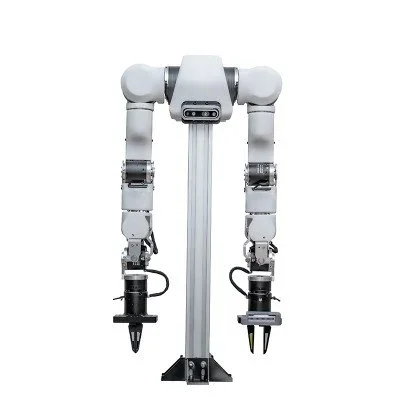
| DK1 Bimanual | $12,000 | 6+6 | 500g per arm | Bimanual tasks, teleoperation research | Native | ~1 day |
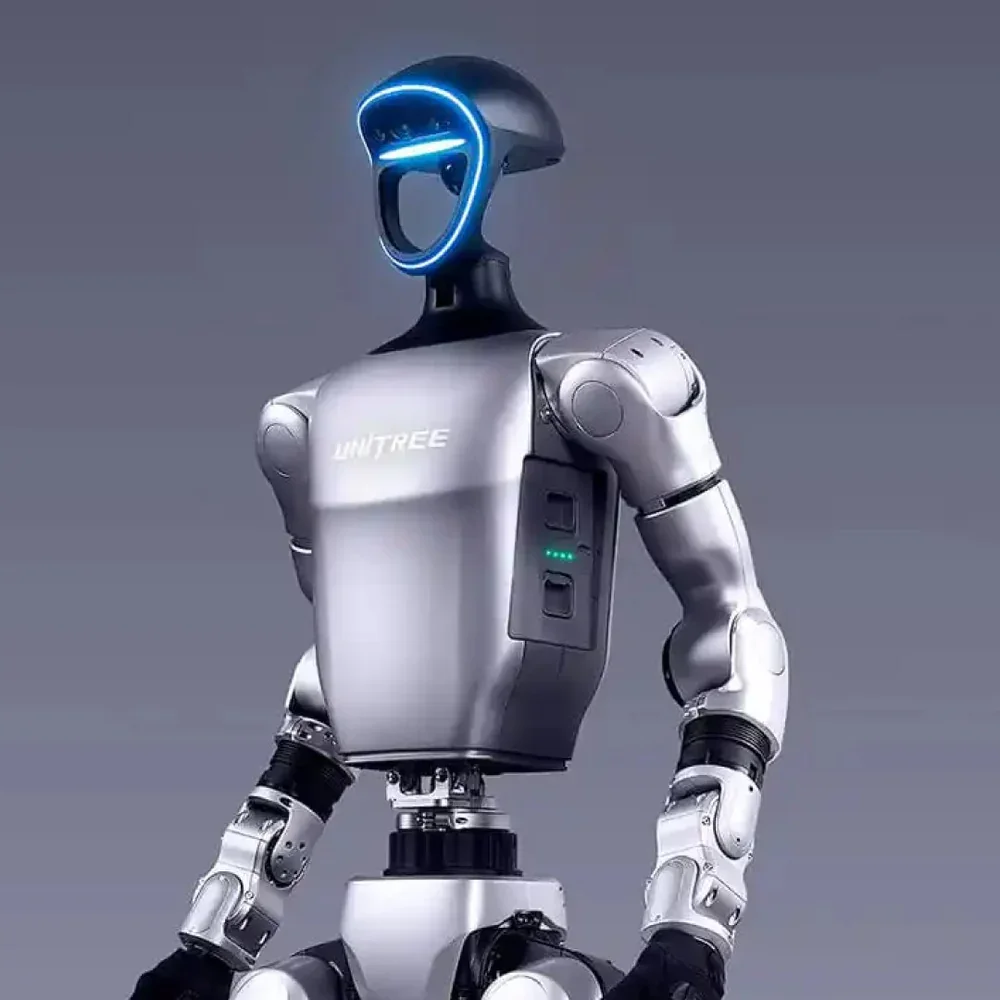
| Unitree G1 Humanoid | From $21,500 | 23+ | 3kg (hands) | Whole-body manipulation, locomotion research | Supported | 2-3 days |
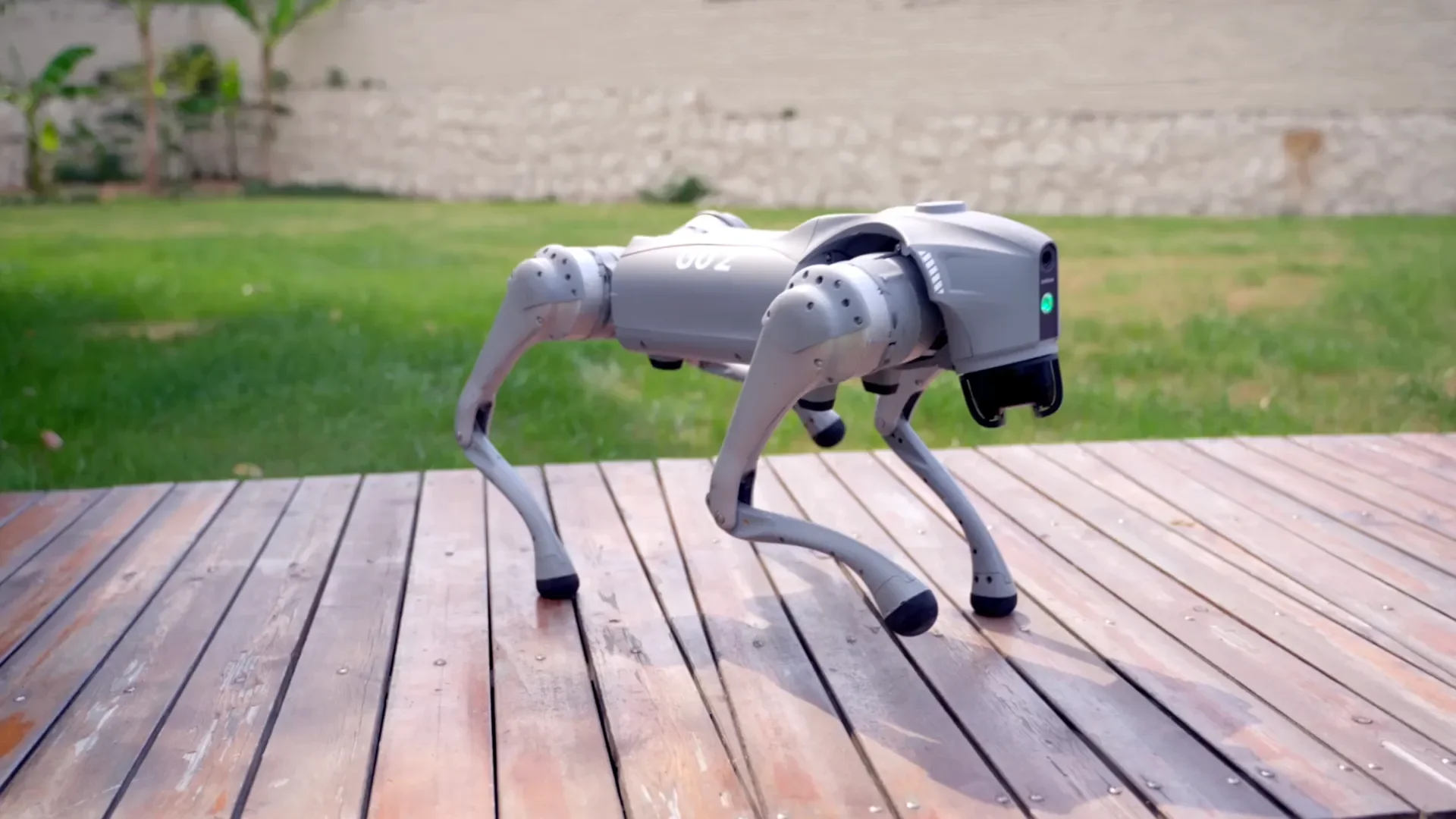
| Unitree Go2 Quadruped | From $3,790 | 12 | 5kg (back mount) | Mobile navigation, outdoor inspection, SLAM | Supported | < 2 hours |
| Paxini Gen3 Sensor | Contact | N/A | N/A | Tactile sensing, contact-rich manipulation | Driver available | < 1 hour |
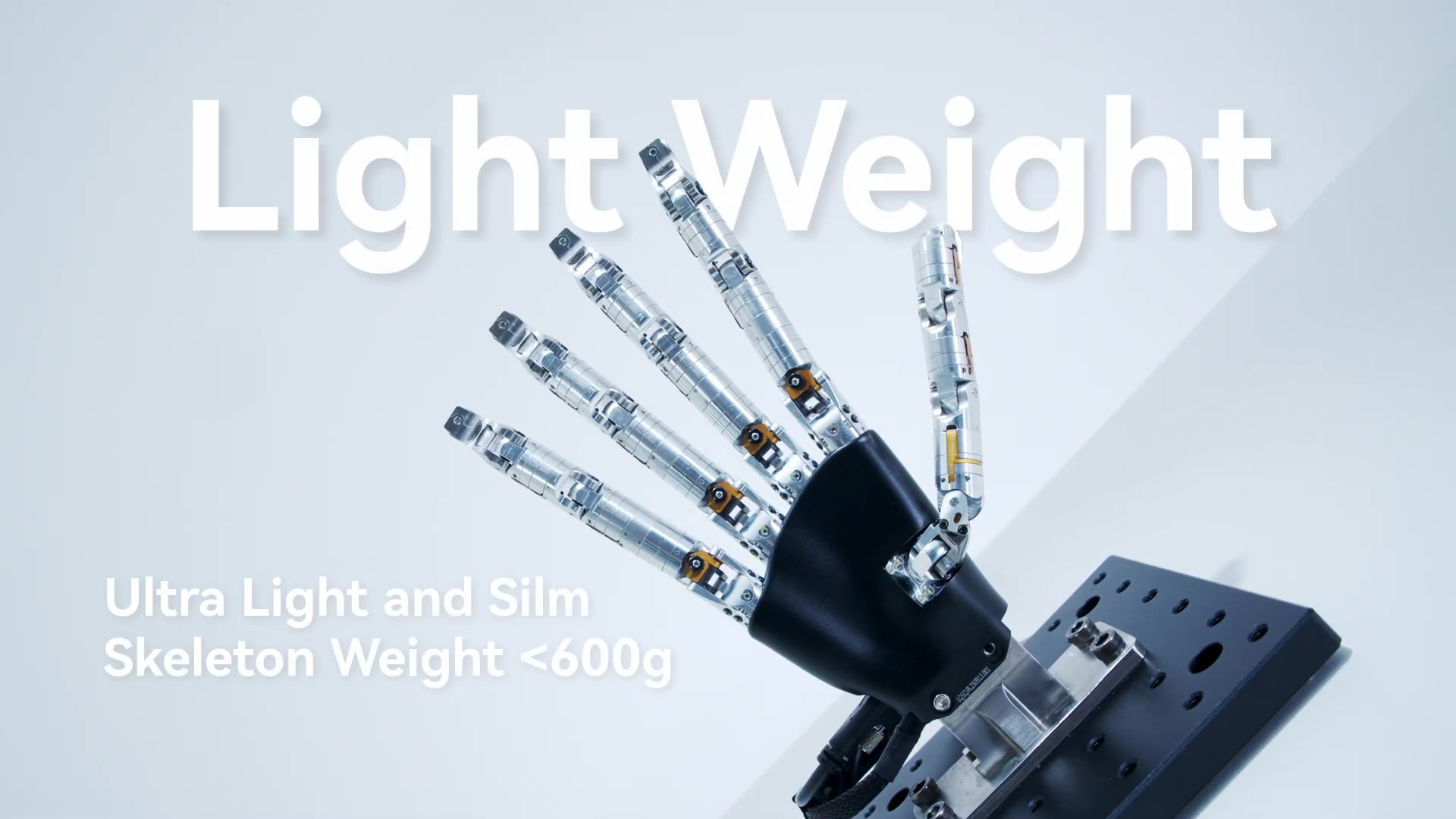
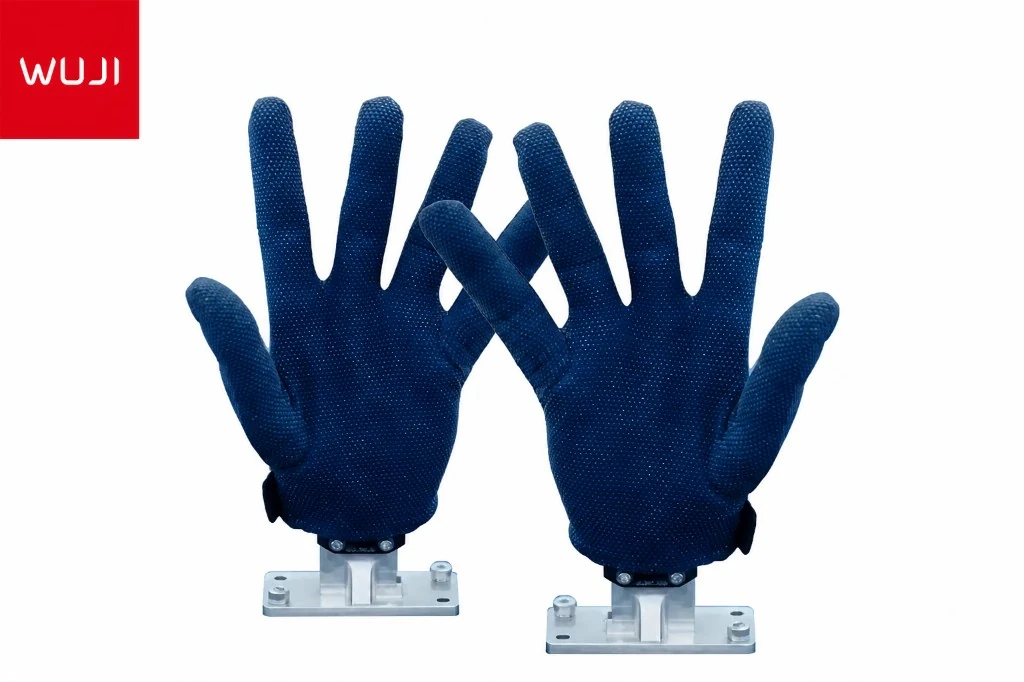
| Orca Hand | Contact | 16 | 2kg grip | Dexterous manipulation, humanoid end-effector | Driver available | ~1 day |
All platforms include documentation, firmware, and RCSV support. Academic pricing available — contact us with your institution details.
When to lease, when to buy
Leasing and buying serve different stages of a robotics program. The right choice depends on your timeline, budget structure, and confidence in the use case. Here is how to decide:
Lease when...
You are validating a use case. A 3-month lease lets you prove the workflow before committing $4,500-$21,500 in capital. Leasing includes maintenance and support, so your team can focus on the application rather than hardware operations. Lease-to-own is available — payments can be credited toward purchase price. Leasing is also the right choice for fixed-term projects (conference demos, grant-funded pilots, seasonal data collection).
Buy when...
You have validated the workflow and need long-term access. Buying is cheaper than leasing beyond 6-12 months for most platforms. It also gives you full control over modifications, firmware updates, and scheduling. Buy if: the platform is core to your research program, you need more than one unit, or you want to customize the hardware beyond standard configurations. RCSV provides 12-month warranty on all purchased hardware.
Lease pricing
Lease pricing for OpenArm 1, DK1 Bimanual, Unitree G1, and Unitree Go2 is quoted per project. All leases include maintenance, software updates, and technical support. Minimum term is 1 month. Volume discounts available for 3+ units. Lease-to-own credit applies after the first month. Full leasing details.
Total cost comparison
For an OpenArm 1 over 12 months, compare your lease quote (which includes maintenance + support) against Buy = $4,500 + ~$500 maintenance. For Unitree G1, compare it against Buy = $21,500 (G1 Basic) or $43,900 (G1 Edu Standard) + ~$2,500 maintenance. Leasing makes the most sense for short projects or when you need maintenance/support included. Factor in your team's hardware maintenance capability when comparing.
How to order from RCSV
RCSV supports individual purchases, institutional POs, and grant-funded procurement. Here is the standard process from inquiry to delivery:
1. Request a quote
Email contact@roboticscenter.ai or use the contact form with your requirements: platform(s), quantity, timeline, and whether you need academic pricing. You will receive a formal quote within 1 business day. For enterprise orders, we can provide quotes on your procurement template.
2. Payment and terms
We accept credit card, wire transfer, and institutional purchase orders. Standard terms are net-30 for institutional buyers with approved credit. Startups and individual buyers: payment at time of order. For orders over $25,000, we offer split payment (50% at order, 50% at delivery). Academic institutions can reference RCSV as a vendor for NSF, NIH, and DOD equipment grants.
3. Fulfillment and shipping
Lead time depends on the item and stock level and is shown on each product page. Shipping is calculated at checkout from your delivery address. Some in-stock items can be picked up at 90 Welsh St, San Francisco, CA 94107 once stock is confirmed. International shipping is available — contact us for customs documentation and lead times.
4. Warranty and support
All purchased hardware includes a 12-month warranty covering manufacturing defects and component failures under normal operating conditions. Extended warranty (24 months) is available for an additional 15% of purchase price. Post-warranty repair and maintenance is available on a per-incident or annual contract basis. Every purchase includes access to the Developer Wiki, Forum, and email support.
Ongoing maintenance and repair planning
Robot hardware is not maintenance-free. A good ownership plan accounts for scheduled calibration, wear component replacement, software updates, and an escalation path when something breaks in the middle of a critical data collection session. RCSV provides repair and maintenance services for all hardware it sells.
[
Repair & Maintenance Services
RCSV provides diagnostics, repair, calibration, and preventive maintenance for OpenArm, DK1, Unitree platforms, and other RCSV-sold hardware. Same-day assessment available in San Francisco. Mail-in repair accepted for remote teams.
View repair services →](services)
Scheduled calibration
Servo-based manipulators like OpenArm 1 require periodic joint calibration — typically every 50-100 operating hours or after any significant mechanical event. Calibration drift is the most common cause of data quality degradation in long-running pilots. RCSV provides calibration kits and remote-guided calibration sessions.
Wear component lifecycle
Common wear components: servo motors (1,000-3,000 hours), gripper fingers (200-500 cycles for soft grippers), cables (inspect every 3 months). Factor replacement cost and downtime into your total cost model before purchase. RCSV stocks spare servos, cables, and gripper assemblies for all platforms.
Software update management
ROS2 driver updates and firmware changes can affect calibration state and data format. Plan a quarterly software review cycle and test on a spare unit before rolling updates to your primary data collection setup. RCSV publishes release notes and migration guides for all firmware updates on the Developer Wiki.
A simple buyer sequence
[
1. Compare hardware
](store)
Start with the systems you can actually evaluate, deploy, and support. Use the comparison table above or the full comparison tool to filter by task type, DOF, payload, and time-to-evaluation rather than browsing robotics categories abstractly.
Browse store →[
2. Decide buy vs lease
Leasing makes sense when you want to reduce upfront commitment, validate a workflow before scaling, or cover a fixed-term project without a capital purchase. Most teams start with a 3-month lease and convert to purchase if the use case validates.
Explore leasing →](leasing)[
3. Tie the purchase to a use case
Validate that the hardware decision matches a real workflow instead of buying a platform without an adoption plan. Industry application pages give use-case-specific hardware recommendations for manufacturing, logistics, healthcare, and research.
View industry applications →](applications/industries)[
4. Request quote and support path
Use one conversation to cover pricing, lead time, deployment support, maintenance options, and whether your shortlist is actually right for your use case. We can typically turn around a formal quote within 1 business day.
Request quote →](contact)
10 questions buyers ask most
1. What is the minimum order to get started?
There is no minimum order. You can purchase a single OpenArm 1 for $4,500 or lease one unit (quoted on request). For enterprise pilots with multiple units, contact us for volume pricing.
2. Do you ship internationally?
Yes. We ship to the US and 30+ countries; contact us for other destinations. International orders require customs documentation which RCSV provides. International delivery time depends on the destination and customs clearance. Export compliance documentation is included for all hardware.
3. Can I get a demo before buying?
Absolutely. We offer in-person demos at our San Francisco facility (90 Welsh St, CA 94107) and our Allston, MA location (125 Western Ave). Remote video demos are also available. Request a demo and we will schedule within 1-2 business days.
4. What warranty do you offer?
All purchased hardware includes a 12-month warranty covering manufacturing defects and component failures under normal operation. Extended 24-month warranty is available for 15% of purchase price. Lease customers get full maintenance and repair coverage included in the lease fee.
5. Do you offer academic or educational pricing?
Yes. Accredited universities and research institutions receive 20% off list prices. K-12 schools and programs receive 30% off. Volume discounts for classroom sets (5+ units) are available on top of academic pricing. See the educator page for details or email us with your institution credentials.
6. What if the robot breaks during a pilot?
For lease customers, hardware failures under normal operating conditions are handled by RCSV at no additional charge. We coordinate repair or swap units within 3-5 business days. For purchased hardware under warranty, the same coverage applies. Post-warranty repairs are billed per-incident or covered by an annual maintenance contract. We stock spare parts for all platforms.
7. Can I customize the hardware?
Yes, within limits. OpenArm 1 is fully open-source — you can modify the firmware, add sensors, and change end-effectors freely. The DK1 system supports custom gripper mounts and camera configurations. For Unitree platforms, customization is limited to software and payload mounting. Contact us to discuss specific modification requirements before ordering.
8. How do I integrate RCSV hardware with my existing ROS2 stack?
All RCSV manipulators (OpenArm 1, DK1) are ROS2-native with standard message types for joint states, control commands, and camera feeds. Unitree platforms have ROS2 driver packages maintained by RCSV. The SDK Quickstart guide covers integration in under 30 minutes. For complex integration requirements, RCSV offers paid engineering support.
9. What payment methods do you accept?
Credit card, wire transfer, and institutional purchase orders (net-30 for approved institutions). For grant-funded purchases, we provide W-9, vendor registration forms, and sole-source justification letters as needed. Orders over $25,000 qualify for split payment terms.
10. How long does delivery take?
Lead time depends on the product and is shown on each product page. Some in-stock items can be picked up in San Francisco once stock is confirmed. International orders can take longer because of customs. Lead times for custom configurations or large orders may be longer — we will confirm estimated delivery in your quote.
What buyers usually compare next
[
Full hardware comparison
Use the interactive comparison tool to filter all RCSV hardware by DOF, payload, price, and use case. Side-by-side spec sheets for every platform with community reviews and benchmark data.
Compare all hardware →](compare)[
Industry pilot scoping
If you are an enterprise buyer, start with the industry page for pilot design frameworks, ROI models, and enterprise engagement options before committing to a hardware purchase.
View industry page →](for-industry)[
Data collection services
Many buyers also need data collection support. RCSV offers teleoperation data collection starting at $2,500 for a pilot dataset. Hardware + data bundles are available for teams that need both.
Explore data services →](data-services)[
Technical onboarding after purchase
Use Robotics Academy when the buying decision is done and the next question is setup, software, and bringing your team to operational confidence with the new hardware.
Open Academy →](learn/robotics-library)