

RL Environment Development for Robots
Custom reinforcement learning environments built for your robot and tasks: robot import and tuning, task and reward design, randomization, Isaac Lab / MuJoCo / Gymnasium delivery, validation, and how a quote is scoped.
An RL environment is the simulated robot, scene, task and reward that a policy trains in. Building one well takes time: the robot model has to behave like the real one, the task has to be measurable, the reward has to teach the behavior you want, and the randomization has to be wide enough that the policy survives the real world.
We build RL environments for your robot and tasks and hand them over as code you own. For a comparison of simulators and frameworks, see our RL environments guide. If you need generated datasets rather than an environment, see Synthetic Data.
What we deliver
| Part | Contents |
|---|---|
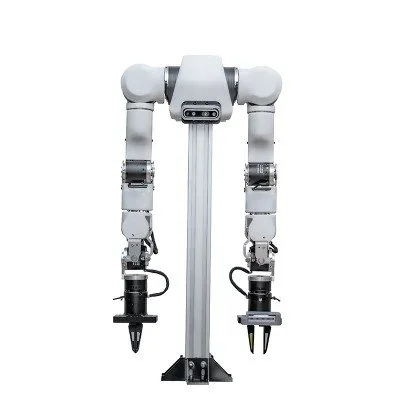
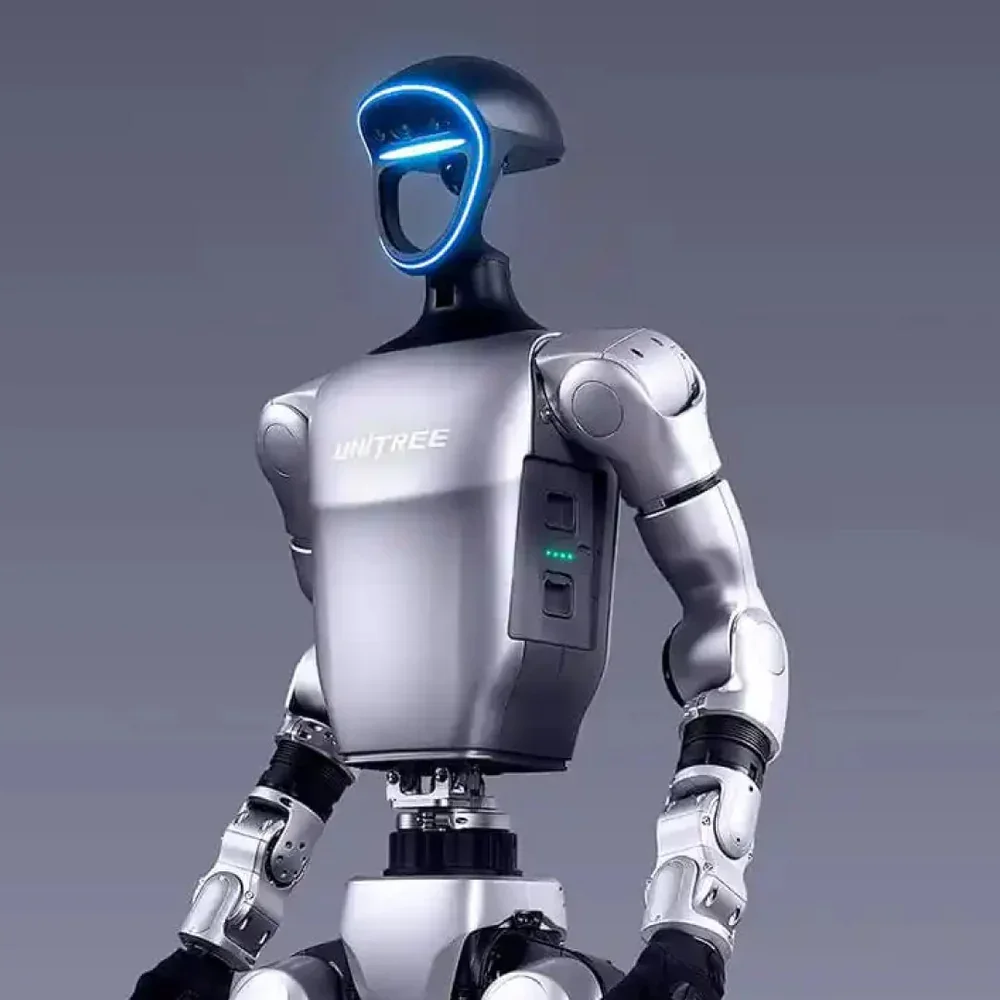
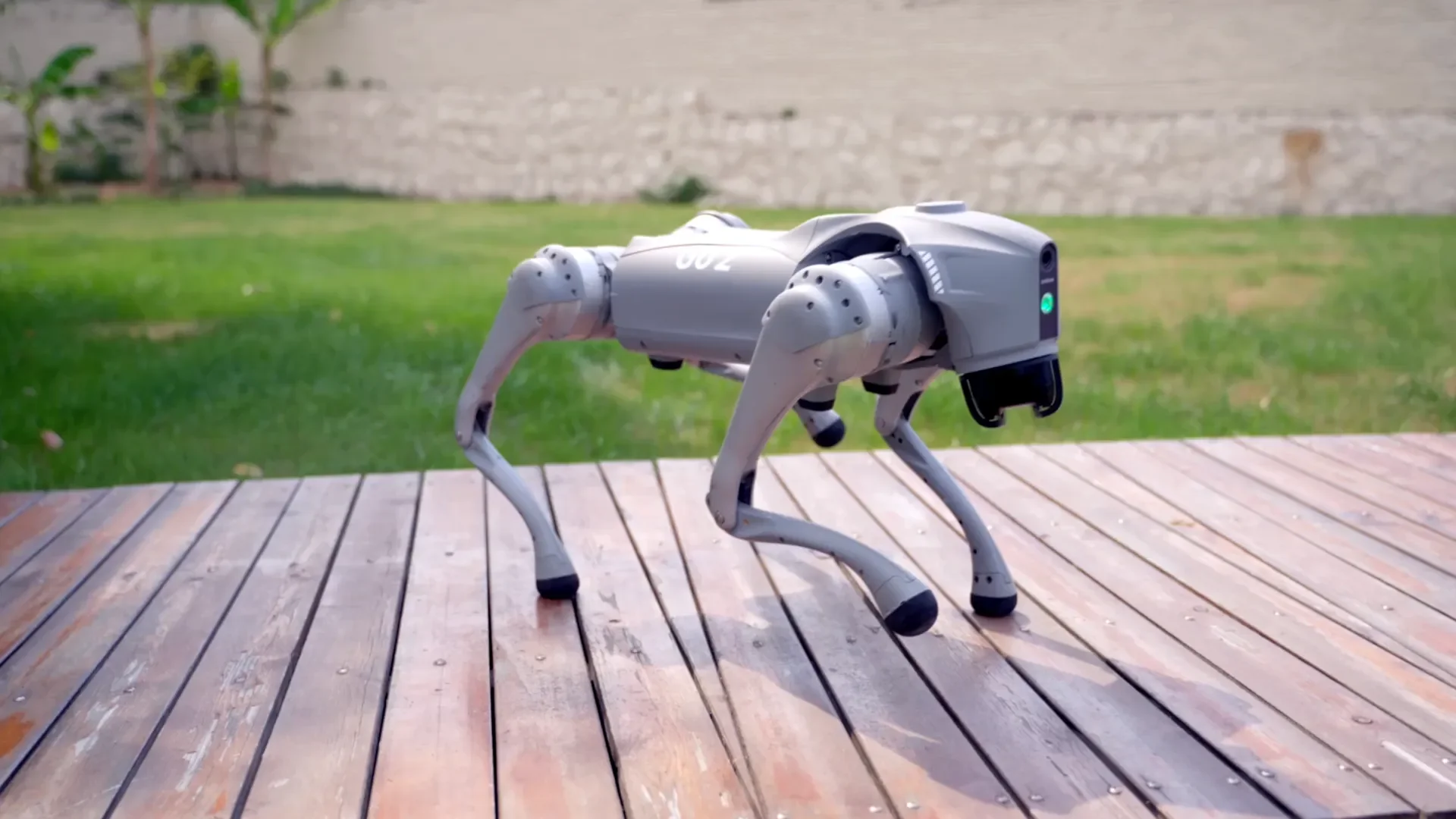
| Robot model | Your robot imported from URDF or MJCF, with joint limits, actuator models and collision meshes tuned |
| Tasks | Scene, objects, start-state distribution and a success test per task |
| Rewards | Dense or sparse reward terms, documented and weighted |
| Randomization | Physics, visual and sensor randomization with configurable ranges |
| Interfaces | Observation and action spaces your training code expects |
| Baseline | A reference policy trained in the environment, to show it is learnable |
Frameworks
We build in Isaac Lab, MuJoCo (including MJX) or behind a Gymnasium-compatible API, depending on your stack and hardware. Tell us what your training code runs on today.
How a project works
- Brief. Robot, tasks, success criteria, observation and action spaces, framework and compute.
- Robot import and system identification. Where you can share real-robot logs, we tune the simulated dynamics against them.
- Task and reward build. One task end to end first, then the rest.
- Validation. A baseline policy is trained to show each task is learnable; results are reported per task.
- Handoff. Code, assets, configuration, documentation and a walkthrough with your team.
How pricing works
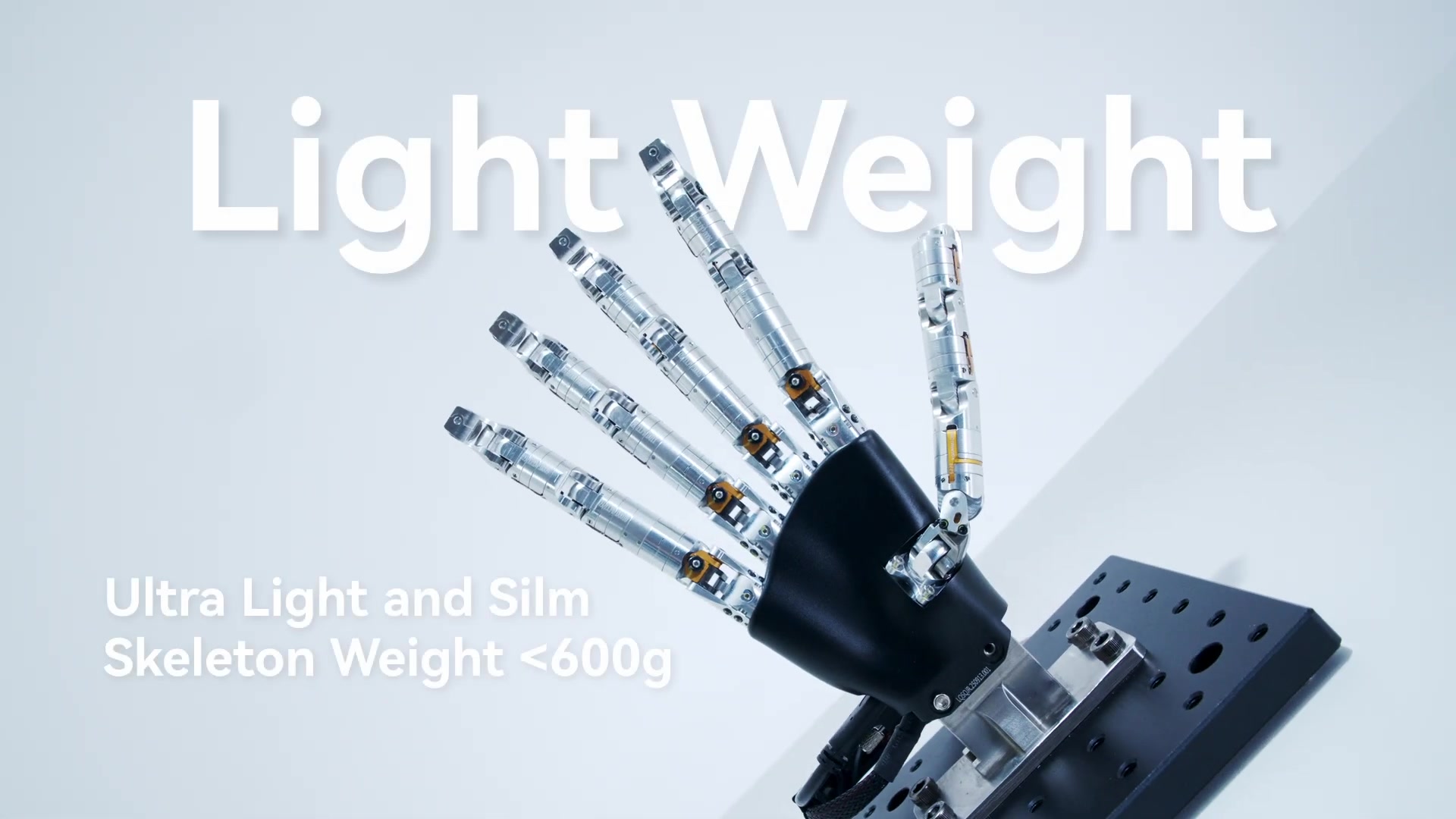
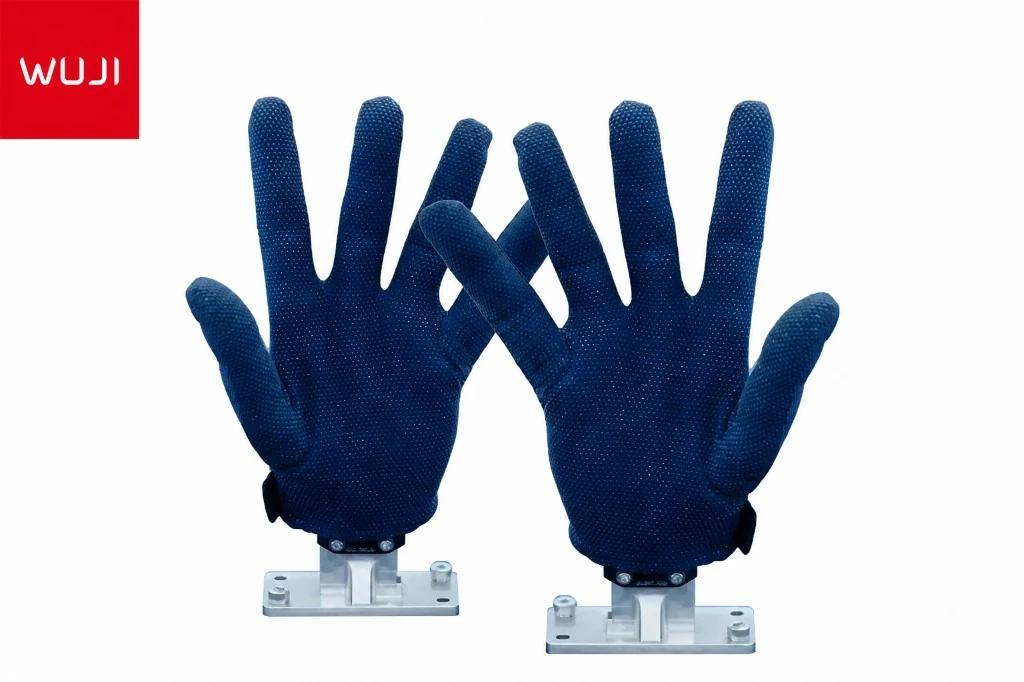
Environment builds are quoted per project. The drivers are the number of tasks, contact complexity (rigid pick-and-place is simpler than deformables or dexterous hands), how closely the simulation must match the real robot, whether real-robot logs are available for tuning, and whether you want the baseline policy and sim-to-real testing on the real robot. Once you train in the environment, real-robot evaluation can measure how the policy transfers.
Request a quote: RL environment build
Every project is quoted from its brief. Tell us what you need; the more specific, the more specific the quote.