

Real-Robot Policy Evaluation
Independent evaluation of robot policies on real hardware: task protocols, trial counts, reset procedures, success scoring, recorded episodes and a written report, and how an evaluation is scoped and quoted.
Simulation scores and demo videos do not tell you how often a policy succeeds on a real robot. Real-robot evaluation does: the same tasks, run many times under a fixed protocol, with every trial recorded and scored.
We run evaluations of your policies, or of several policies side by side, on robots in our San Francisco lab. You get the numbers, the recorded episodes behind them, and a report on where the policy fails. For our public benchmarks and leaderboards, see RCSV Eval.
What an evaluation includes
| Part | Contents |
|---|---|
| Protocol | Tasks, objects, start-state distribution, reset procedure, time limit and success test, agreed in writing |
| Trials | A fixed number of trials per task and policy, in a fixed or randomized order |
| Scoring | Success or failure per trial, partial-progress scores where defined, failure categories |
| Recordings | Every trial recorded (cameras, joint states, actions), so any score can be checked |
| Report | Success rates with confidence intervals, failure analysis, and notes on anything that affected the run |
How a run works
- Protocol. We agree the tasks, the success test and the number of trials before any trial runs, so the result cannot be tuned after the fact.
- Integration. Your policy runs on our hardware, either on our machines from a checkpoint or calling your inference server.
- Dry run. A few trials to check the integration, cameras and resets. These are not scored.
- Scored trials. Run by an operator who follows the reset procedure exactly.
- Report. Delivered with the recorded episodes.
Robots
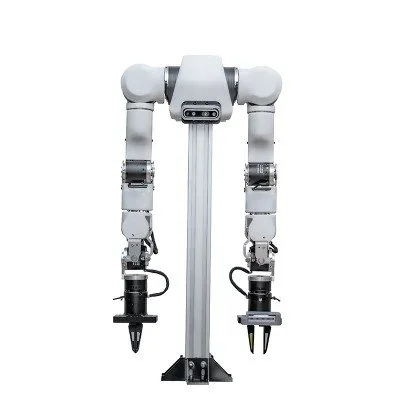
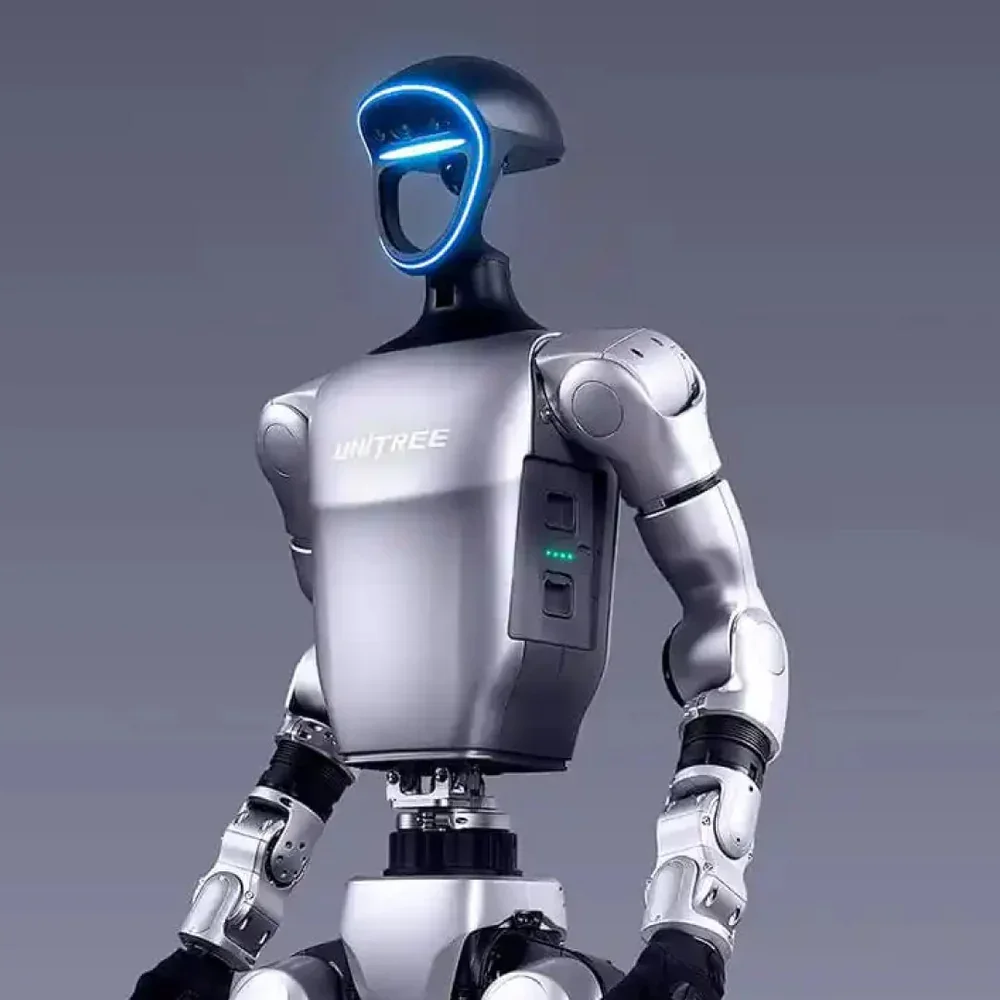
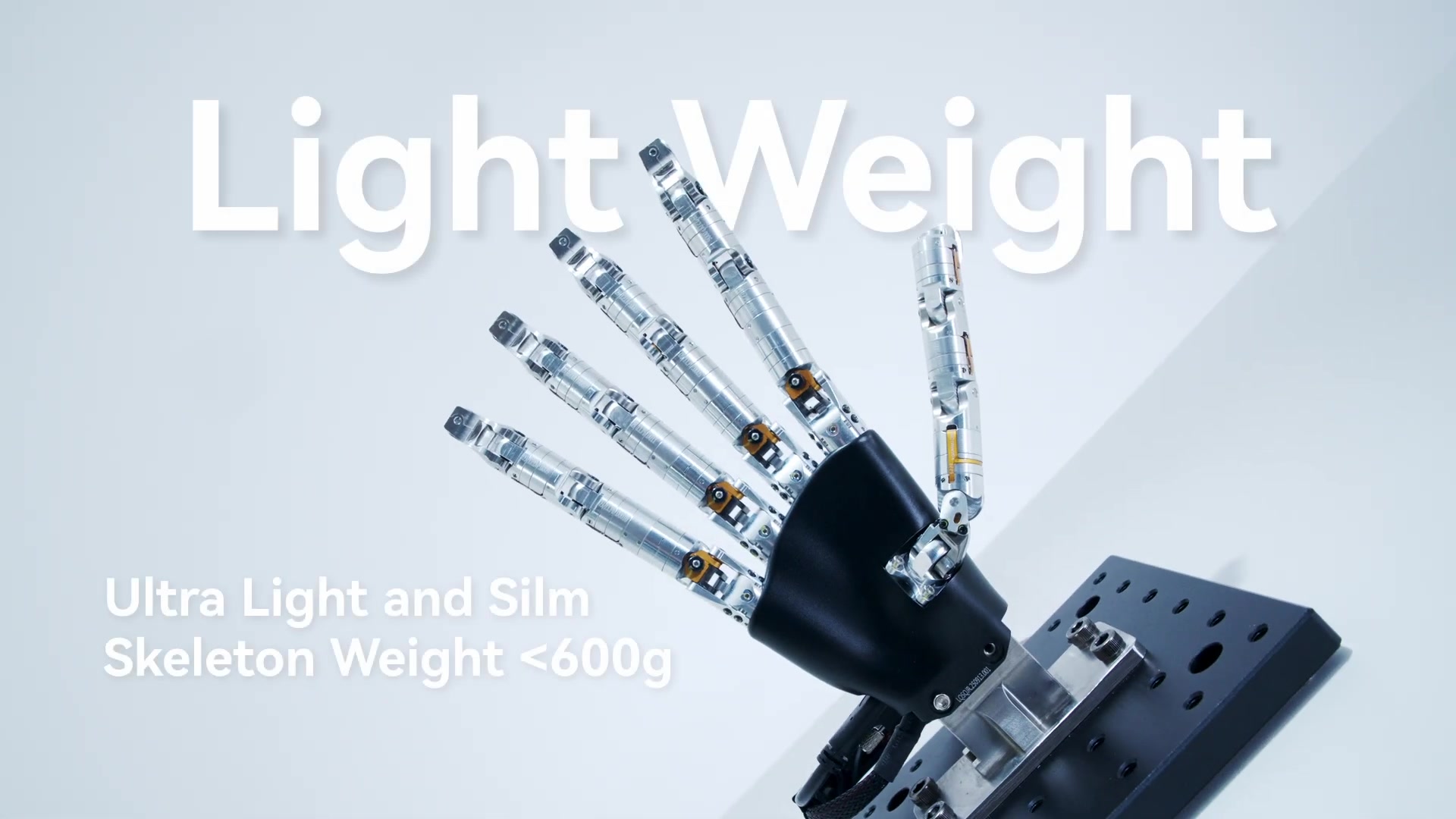
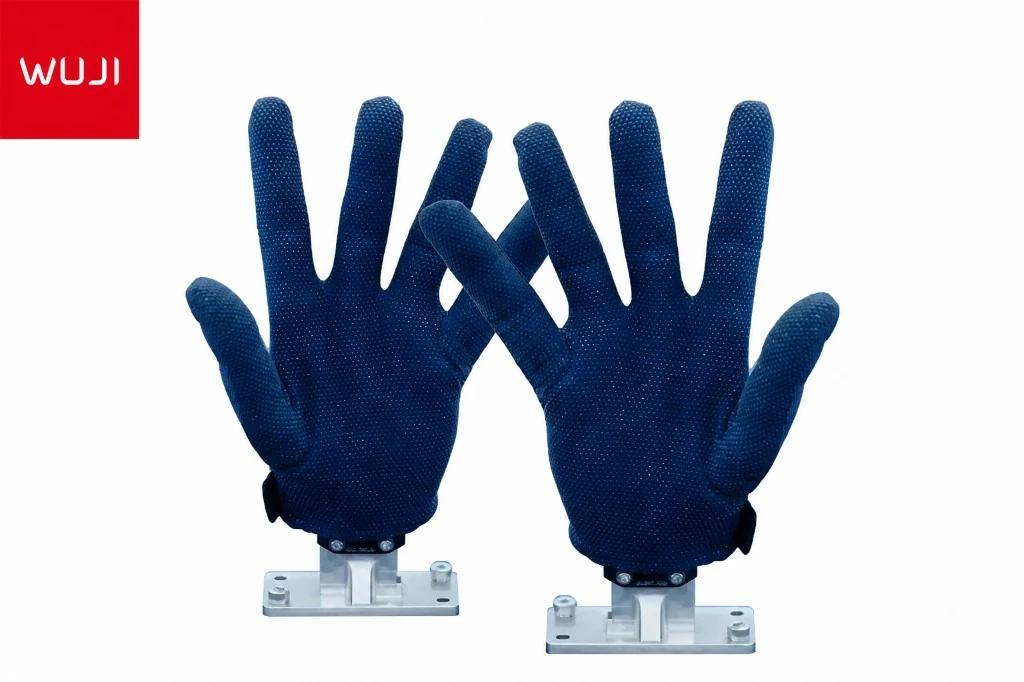
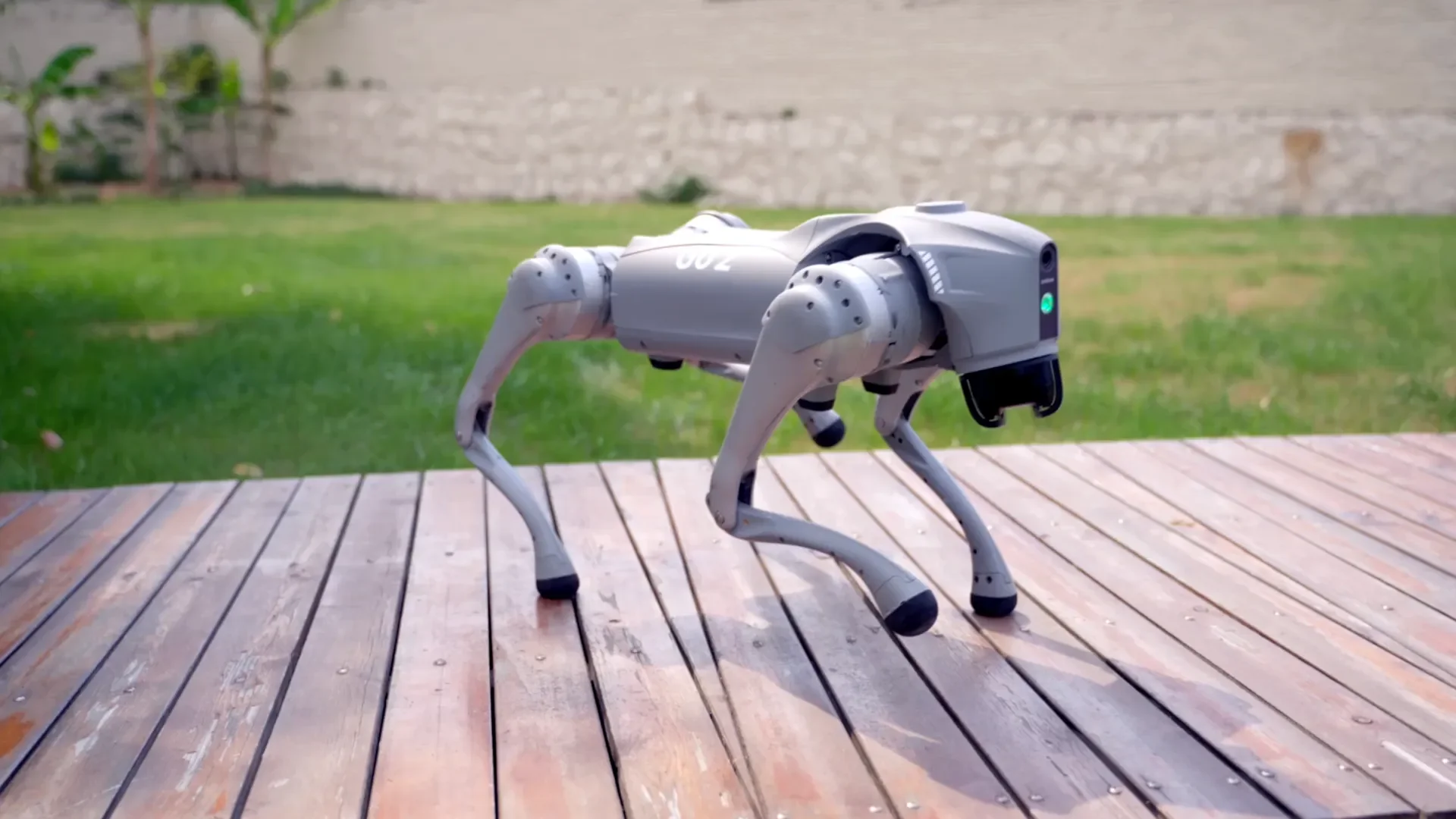
We evaluate on robots in our lab, including single and bimanual arms and dexterous hands; ask about a specific robot in your request. If your policy needs a robot we do not have, you can ship one to us.
How pricing works
Evaluations are quoted. The drivers are the number of policies, tasks and trials per task, the robot, reset effort per trial (resetting a deformable task takes longer than a pick-and-place), integration work, and whether you want the recorded episodes delivered as a dataset. A rerun on a new checkpoint can reuse the agreed protocol and integration.
Request a quote: Real-robot evaluation
Every project is quoted from its brief. Tell us what you need; the more specific, the more specific the quote.