

Tactile Data Collection for Robot Manipulation
Custom tactile and force data for contact-rich manipulation: sensor options (fingertip arrays, gloves, wrist force/torque), how touch is synchronized with video and joint state, quality checks, delivery formats and how a quote is scoped.
Tactile data records what a hand or gripper feels: contact location, pressure and shear across the fingertips or palm, and the forces at the wrist. Teams use it to train policies for tasks that vision alone handles badly: insertion, in-hand reorientation, grasping deformable or slippery objects, and knowing when a grasp is about to fail.
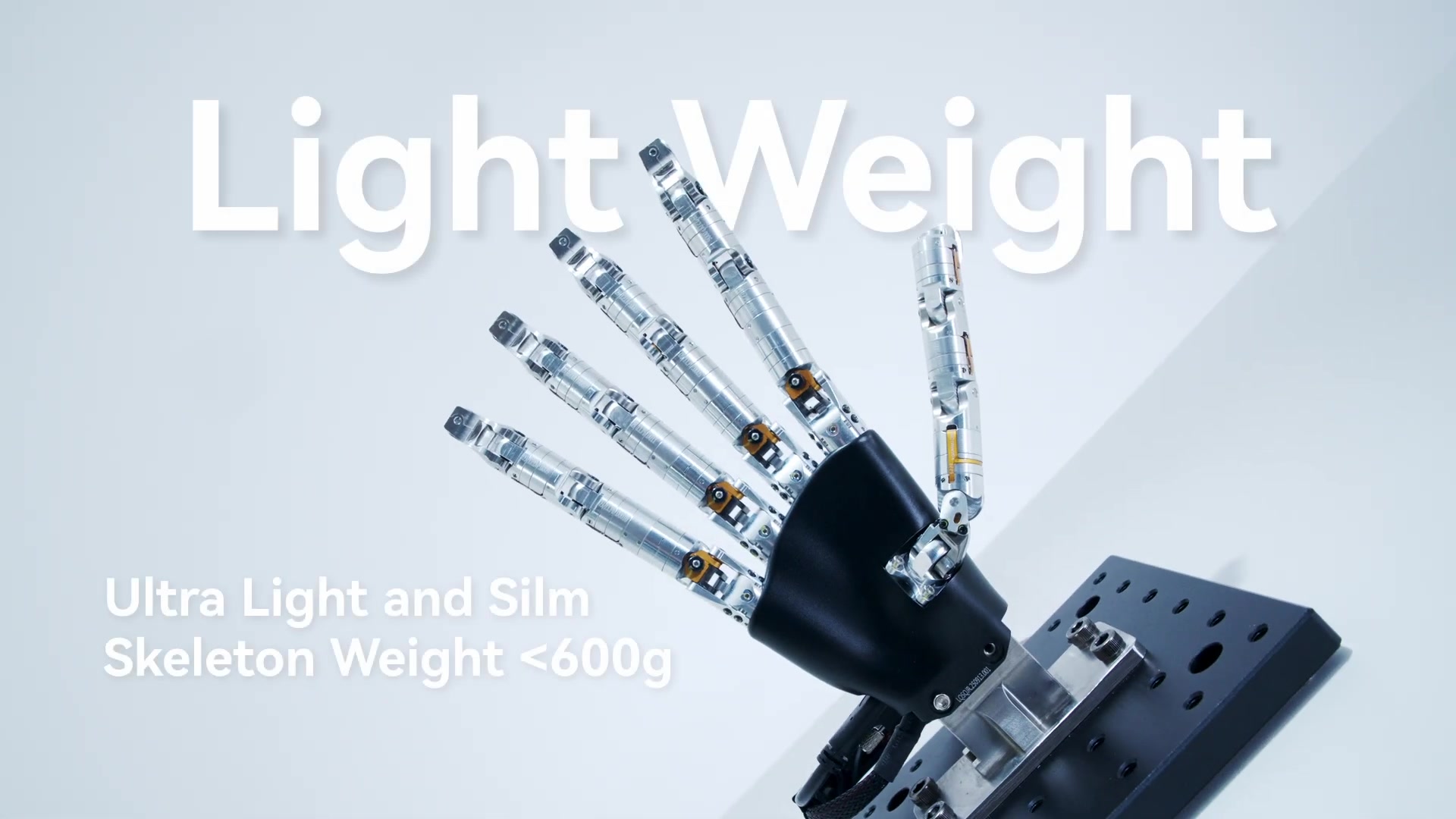
We collect tactile data on robot hands and grippers, and from people wearing tactile gloves, synchronized with the other streams your policy uses. For teleoperated collection in general, see Teleoperation Data Collection; for multi-finger hands, see Dexterous Hand Data.
Sensor options
| Sensor | What it measures | Typical rate |
|---|---|---|
| Fingertip tactile arrays | Pressure map per fingertip, sometimes shear | 50–200 Hz |
| Vision-based tactile sensors | Contact image of the gel surface | 30–60 FPS |
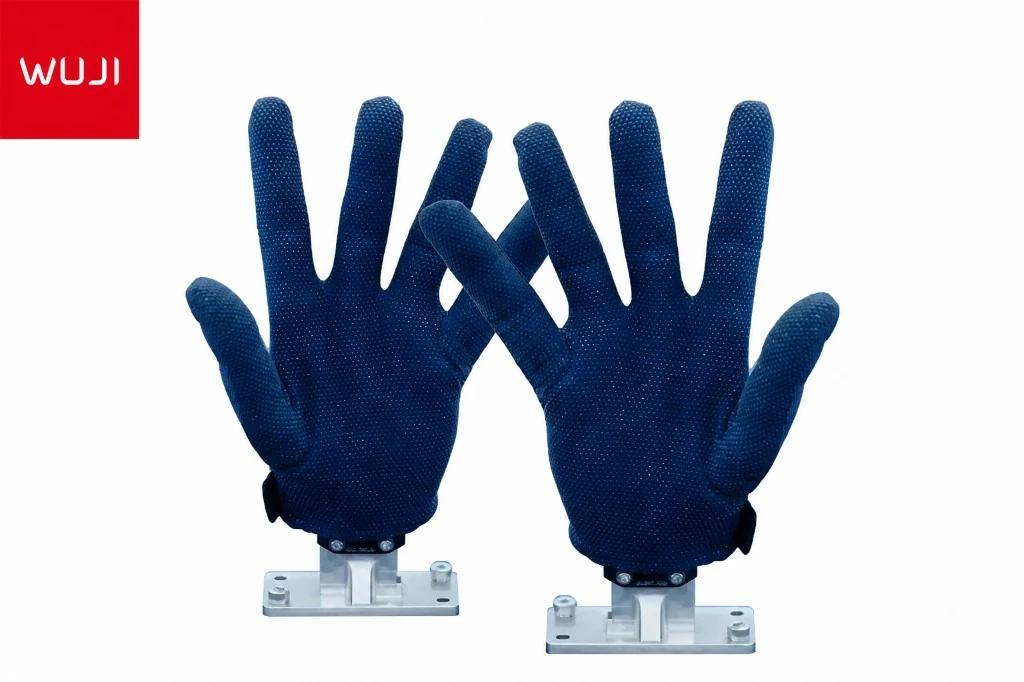
| Tactile gloves (human) | Pressure across fingers and palm | 50–100 Hz |
| Wrist force/torque | 6-axis wrench | 100–1,000 Hz |
| Joint torque | Per-joint effort from the robot | 100–1,000 Hz |
We help you choose a sensor if you do not have one yet, and we can collect on the sensor your deployment uses so the data matches.
What an episode contains
Tactile streams are recorded together with RGB (and depth where needed), joint state, actions and gripper state, all on one clock. The brief fixes the rate of each stream and the tolerance between them. Calibration (zero offsets, taxel layout, units) ships with the data.
Quality checks
- Sensor health. Dead or saturated taxels, drift and noise floor checked per session.
- Synchronization. Contact onsets in the tactile stream checked against the video.
- Task success and labels. Every episode labelled; contact events (touch, slip, release) labelled where requested.
- Schema and metadata. Same keys, units and shapes in every episode.
Delivery formats
LeRobot, HDF5, RLDS / TFRecord, or your own schema, with calibration files and a quality report.
How pricing works
Tactile projects are quoted. Cost depends mostly on the sensor (whether you provide it or we source it), the robot or glove setup, the number of tasks and episodes, contact-event labelling, and license terms. A pilot batch is the usual first step, because tactile signals vary a lot between sensors and it is worth checking them in your pipeline early.
Request a quote: Tactile data
Every project is quoted from its brief. Tell us what you need; the more specific, the more specific the quote.