What Is Robot Leasing?
Robot leasing is a financing arrangement where a company pays monthly fees to use a robot for a defined period rather than purchasing it outright. The lessor (leasing company or robot manufacturer) retains ownership of the hardware; the lessee (your company) gets operational use of the robot plus, typically, maintenance and support services.
Robot leasing has grown rapidly since 2024 because it directly addresses the two biggest barriers to robot adoption: high upfront cost and technology obsolescence risk. A $45,000 robot arm becomes a $1,500/month operating expense. A humanoid robot that may be obsolete in 18 months can be returned at lease end rather than written off.
Operating Lease vs. Capital Lease
Operating lease: The most common structure for robots. You pay monthly for the right to use the robot. At lease end, you return the robot, extend the lease, or sometimes purchase at fair market value. Operating leases are treated as operating expenses (OPEX) on your balance sheet under ASC 842 / IFRS 16, though both standards now require right-of-use asset recognition. The key benefit is flexibility — you can upgrade to newer hardware at each renewal cycle.
Capital lease (finance lease): Structured so that ownership effectively transfers to the lessee. Monthly payments are higher, but you own the robot at the end of the term (or purchase it for a nominal $1 buyout). Capital leases are treated as assets and liabilities on the balance sheet. This structure makes sense when you know you will use the robot for its full operational life (5+ years) and want to build equity.
Robotics-as-a-Service (RaaS): A newer model where you pay per unit of work (per pick, per hour of operation, per pallet moved) rather than a fixed monthly rate. RaaS bundles the robot, software, maintenance, and sometimes the operator into a single per-unit price. It completely eliminates technology risk for the customer but costs more per unit of output over time. Companies like Locus Robotics, 6 River Systems, and Formic offer RaaS models.
Lease vs. Buy: When Leasing Makes Sense
The lease-or-buy decision depends on five factors. Leasing is not always cheaper — but it is often smarter.
1. Technology Maturity
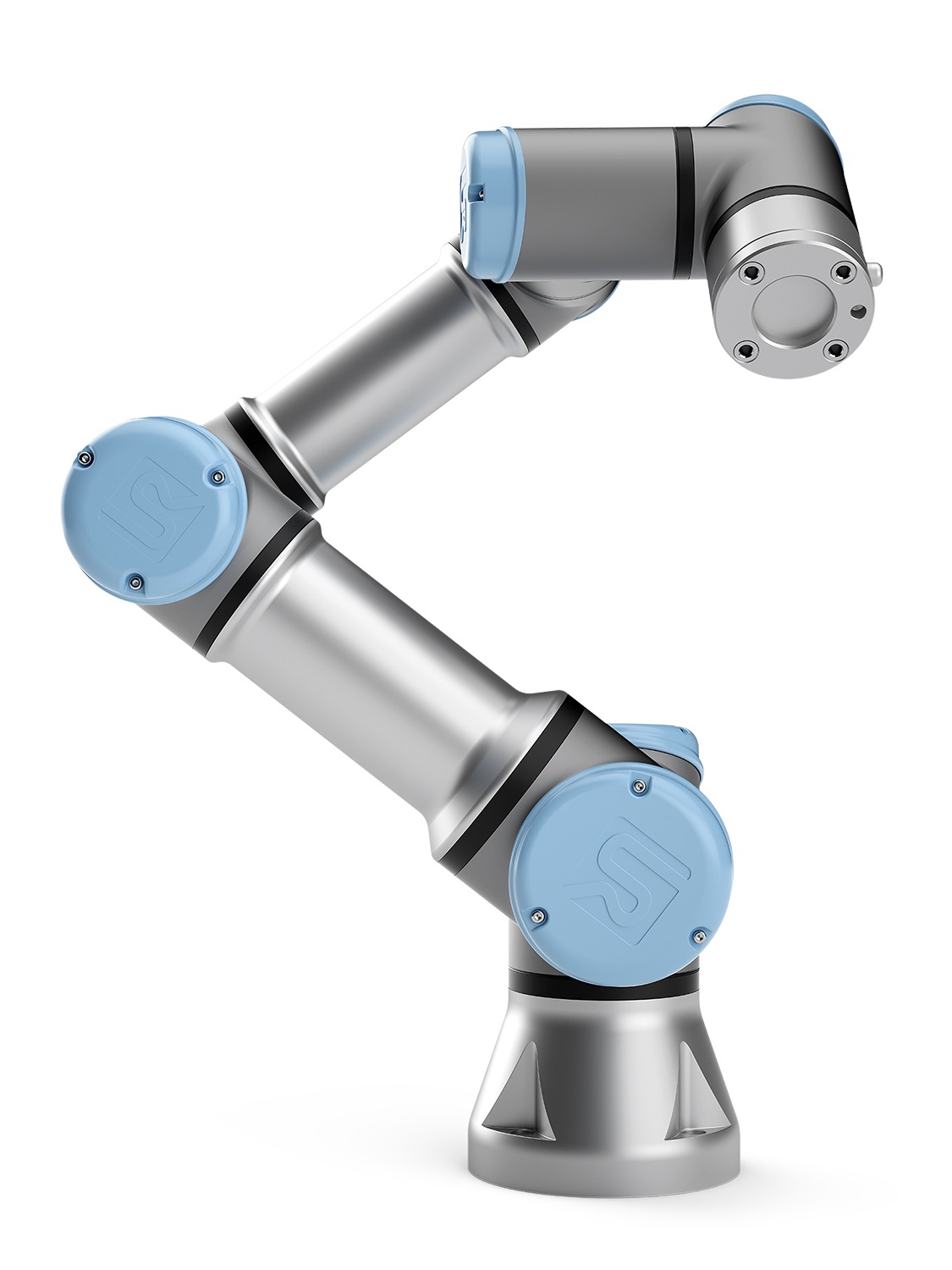
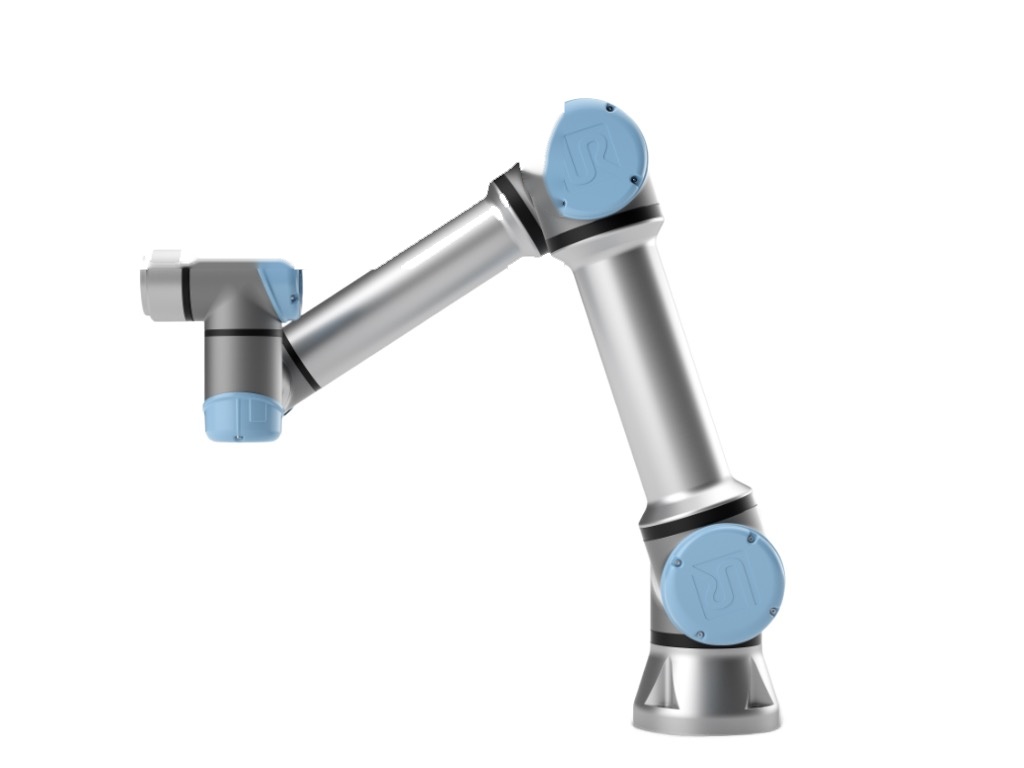
If the robot category is rapidly improving (humanoids, dexterous hands, VLA-powered systems), leasing protects you from buying hardware that is obsolete in 18 months. If the category is mature (industrial robot arms from UR, Fanuc, ABB), buying often makes more financial sense because the hardware will be productive for 8-15 years with minimal functional obsolescence.
Rule of thumb: If the next-generation robot is expected to be 2x+ better within your intended use period, lease. If incremental improvements of 10-20%, buy.
2. Deployment Duration
Short deployments (under 24 months) almost always favor leasing. The break-even point where buying becomes cheaper than leasing is typically 24-36 months, depending on the lease rate and residual value. For a $40,000 robot arm on a $1,500/month lease, the crossover is at 27 months — after that, you have paid more in lease payments than the purchase price.
3. Capital Availability
Startups and research labs often have limited capital budgets but can fund operating expenses more easily. A $150,000 humanoid robot is nearly impossible to justify as a capital purchase for most university labs; a $8,000/month lease is fundable through research grants. Similarly, manufacturing companies may preserve capex budget for core equipment and lease peripheral automation.
4. Support Requirements
If you lack in-house robotics engineering talent, a lease with included maintenance and support significantly reduces risk. Buying a robot without support means you bear all maintenance cost, downtime risk, and troubleshooting burden. For teams new to robotics, the support bundled into a lease is often worth more than the hardware itself.
5. Tax and Accounting Treatment
Operating lease payments are fully deductible as business expenses in the period incurred. Purchased robots must be depreciated over their useful life (typically 5-7 years for tax purposes), though Section 179 and bonus depreciation may allow accelerated write-off. Consult your accountant — the optimal structure depends on your specific tax situation.
Robot Leasing Costs by Type
The following ranges represent typical monthly lease rates in 2026, based on 12-month operating lease terms with standard support included. Rates decrease 15-25% for 24-month terms and 25-35% for 36-month terms.
| Robot Type | Example Models | Purchase Price | Monthly Lease | Typical Includes |
|---|---|---|---|---|
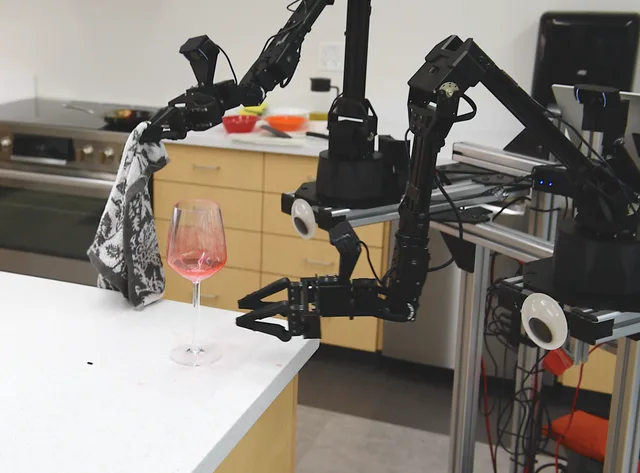
| Research arm (open-source) | OpenArm, SO-101 | $500 - $5,000 | $150 - $500/mo | Hardware, basic support |
| Collaborative arm | UR5e, Franka FR3, Kinova Gen3 | $30,000 - $50,000 | $1,200 - $3,000/mo | Hardware, maintenance, software updates |
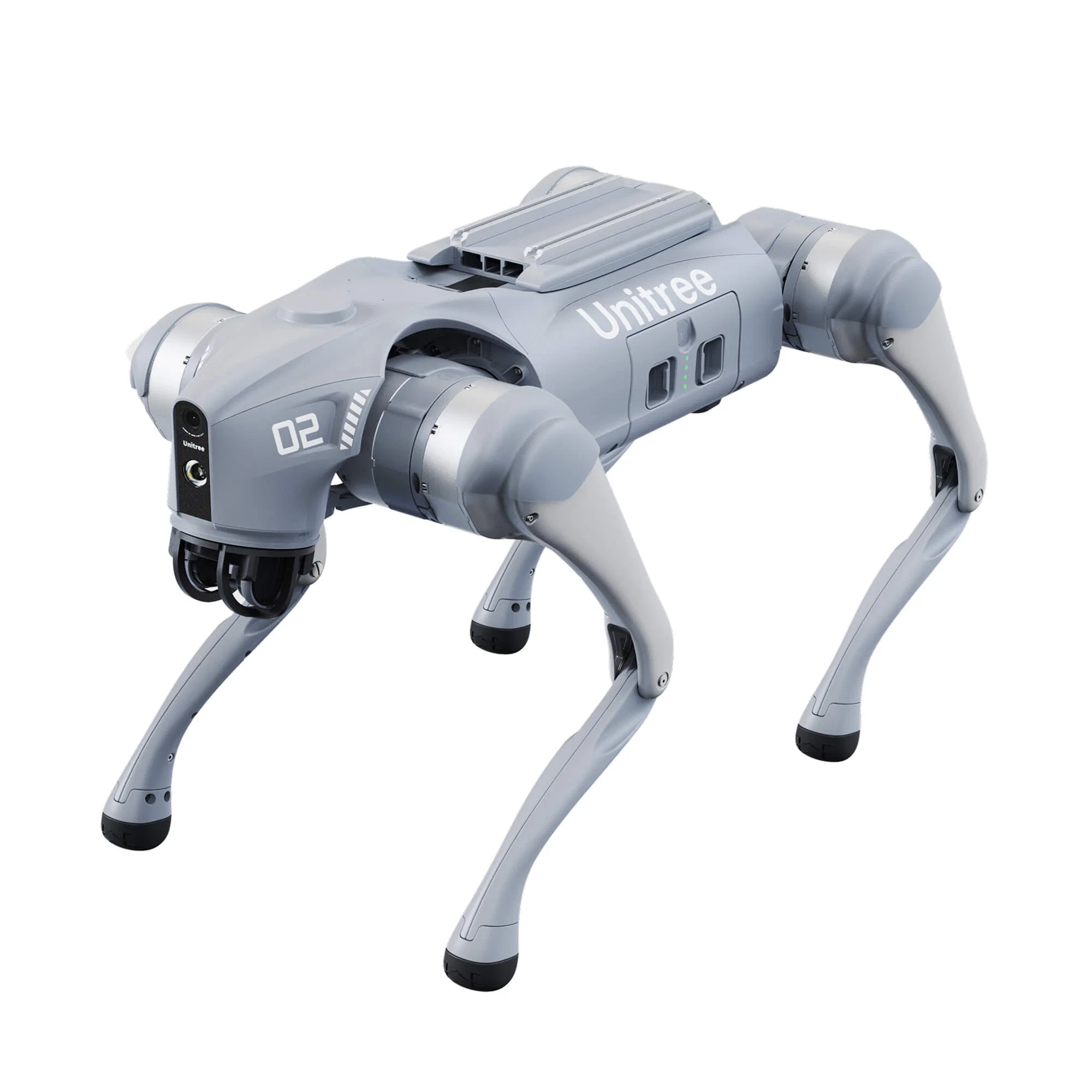
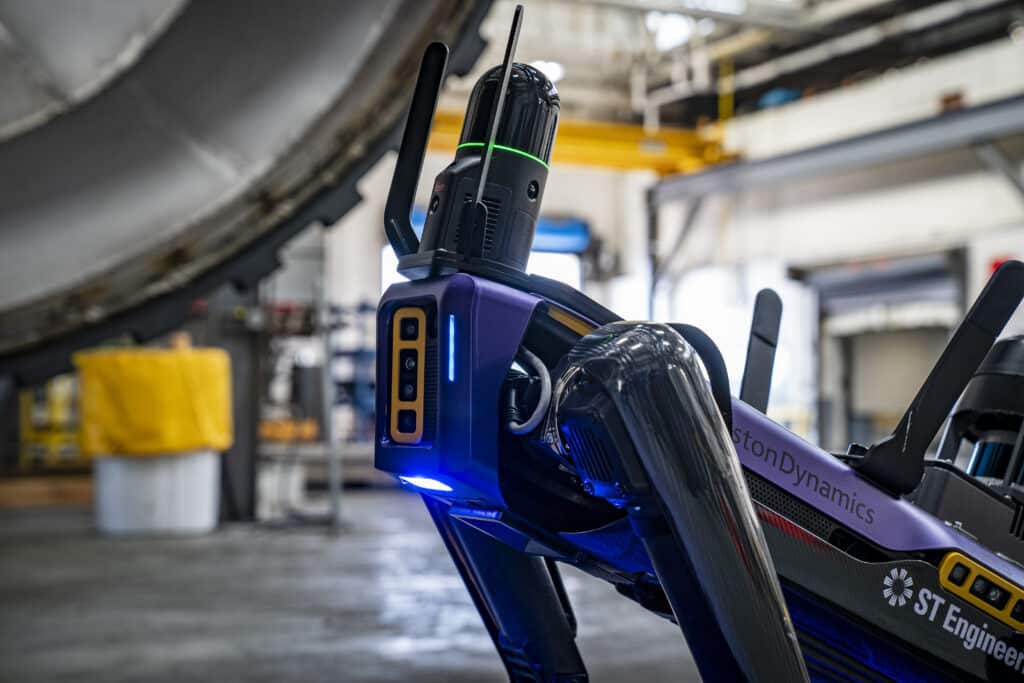
| Quadruped robot | Unitree Go2, Boston Dynamics Spot | $2,800 - $75,000 | $500 - $4,000/mo | Hardware, maintenance, remote diagnostics |
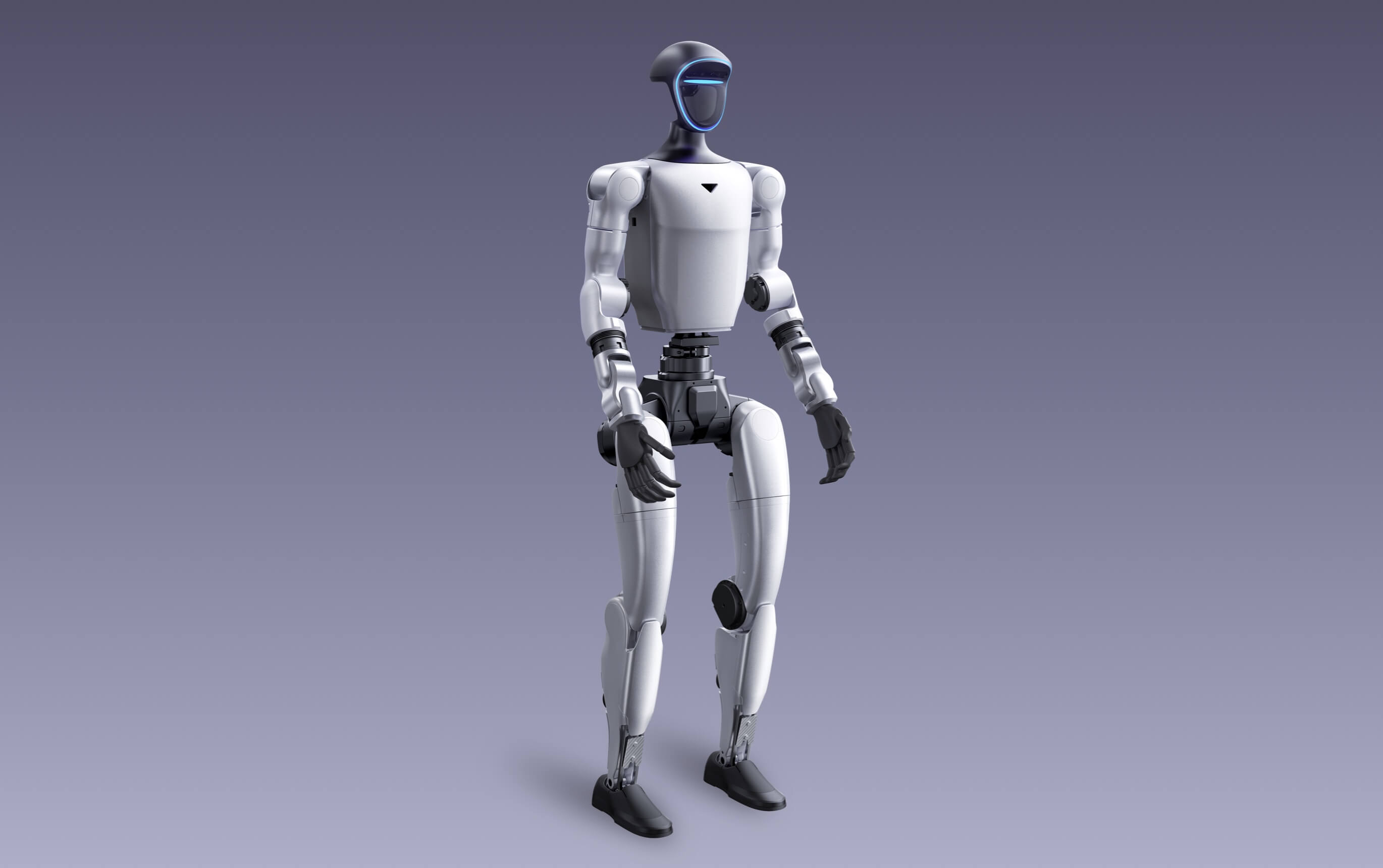
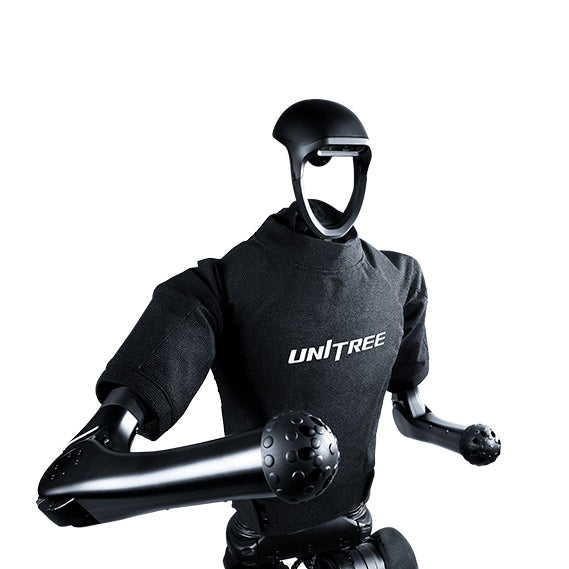
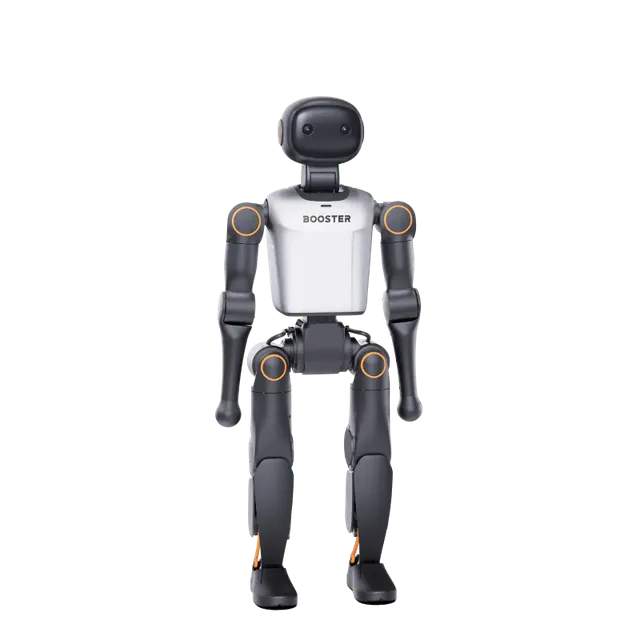
| Humanoid robot | Unitree G1, Booster K1 | $16,000 - $250,000 | $3,000 - $15,000/mo | Hardware, on-site support, software, insurance |
| Industrial cell | UR + gripper + vision + safety | $80,000 - $200,000 | $3,500 - $8,000/mo | Full cell, integration, maintenance, training |
What's Typically Included in a Lease
Lease agreements vary significantly between providers. Here is what to expect and what to negotiate for.
Standard Inclusions
- Hardware: The robot, controller, and standard accessories (teach pendant, cables, mounting hardware). End-effectors (grippers, tools) are sometimes included, sometimes a separate line item.
- Software licenses: The robot's operating software and any proprietary programming environments. Verify whether software license fees continue after hardware return — some manufacturers structure licenses as separate subscriptions.
- Preventive maintenance: Scheduled maintenance visits (typically quarterly for industrial arms) including joint lubrication, cable inspection, brake tests, and software updates.
- Break-fix support: Repair or replacement of components that fail under normal operating conditions. Check the response time SLA — 24-hour vs. 48-hour vs. "best effort" makes a meaningful difference when your production line is down.
- Technical support: Phone/email access to the manufacturer's technical team for programming assistance, troubleshooting, and configuration questions.
Common Add-Ons (Extra Cost)
- On-site installation and commissioning: $2,000 - $15,000 depending on complexity. Some lessors include basic installation; complex cell integration is always extra.
- Operator training: 1-3 day training programs for your team. $1,000 - $5,000 per session. Essential if your team has no prior robotics experience.
- Insurance: Coverage for accidental damage, theft, and liability. Typically 2-5% of hardware value annually. Some lessors require you to carry insurance; others bundle it into the lease rate.
- Extended end-effectors: Grippers, tool changers, and custom fixtures specific to your application. These may be purchased separately and retained when you return the lease.
What to Watch For
- Early termination penalties: Most leases charge 2-6 months of remaining payments for early return. Negotiate a reasonable early-out clause if your project timeline is uncertain.
- Usage caps: Some leases specify maximum operating hours per month (e.g., 500 hours/month for a 24/7 operation). Excess usage may incur per-hour charges.
- Return condition requirements: The lease will specify acceptable wear levels. Normal operational wear is expected; physical damage beyond normal use incurs charges. Document the robot's condition at delivery and return with photos and inspection reports.
- Data and IP: Clarify who owns the data collected by the robot (sensor data, program files, production logs). Your data should remain your property — push back on any clause that grants the lessor rights to your operational data.
How to Negotiate a Leasing Agreement
Robot leasing is a young market with less standardization than, say, vehicle leasing. This means more room for negotiation.
- Get multiple quotes: Contact at least three providers. Lease rates for the same robot can vary 30-50% between providers depending on their financing structure, support capabilities, and desire for your business.
- Negotiate the support SLA: Response time, parts availability, and remote diagnostics capability matter more than the hardware lease rate. A $200/month savings on lease rate is meaningless if the provider takes 2 weeks to ship a replacement motor.
- Ask for a pilot period: Many providers will offer a 1-3 month pilot at reduced rates to prove the technology works for your application before committing to a full-term lease. SVRC pilot programs are structured specifically for this purpose.
- Lock in renewal rates: If you plan to extend, negotiate renewal rates upfront. Second-year rates should be 10-20% lower than first-year rates since the lessor's hardware is further depreciated.
- Clarify upgrade paths: Can you swap to a newer model mid-lease? What are the terms? The best leases allow technology refresh at renewal without penalty.
Top Cities for Robot Leasing
Robot leasing availability varies by geography. These cities have the densest concentration of leasing providers, service centers, and support infrastructure.
- San Francisco / Bay Area: The largest market for robot leasing in the US. Home to SVRC (Mountain View), multiple Fetch Robotics service centers, and the highest concentration of robotics startups. Best availability for research arms, humanoids, and quadrupeds.
- New York City: Growing market driven by warehouse automation in the tri-state area. Strong availability for industrial arms and logistics robots. Amazon and DHL facilities in New Jersey drive demand for mobile robot leasing.
- Boston: Home to Boston Dynamics and a deep academic robotics ecosystem (MIT, Harvard, Northeastern). SVRC's East Coast facility in Allston provides leasing for arms and humanoids. Strong support for research-grade platforms.
- Los Angeles: Entertainment, logistics, and manufacturing drive demand. Port of Long Beach automation projects have created a market for heavy-duty industrial robot leasing.
- Chicago: Central US logistics hub with strong demand for warehouse automation. Universal Robots and Fanuc both have major service centers in the region.
- Austin: Emerging robotics hub with Tesla's humanoid program and a growing startup ecosystem. Leasing availability is catching up to demand.
Getting Started with SVRC Leasing
SVRC robot leasing is designed for companies and research teams that need flexible access to robot hardware without the capital commitment and maintenance burden of ownership.
- Flexible terms: 1-month minimum, 3/6/12/24-month standard terms. Month-to-month available after minimum term.
- Full support included: All leases include preventive maintenance, break-fix support, software updates, and technical assistance.
- Hardware catalog: Browse our full hardware catalog — arms, humanoids, quadrupeds, dexterous hands, and complete data collection stations.
- Pilot programs: 1-3 month pilots at reduced rates to validate your use case before committing to a full lease.
- Two locations: Mountain View, CA and Allston, MA. On-site setup and support available in both Bay Area and Greater Boston.